


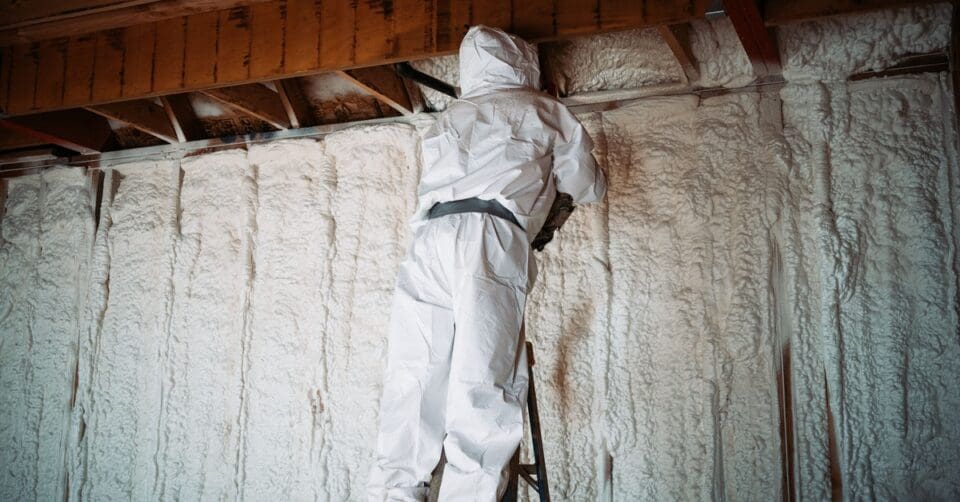
When you work with a urethane equipment material compatibility guide, you gain a clearer understanding of how materials interact with your spray foam rig. Your polyurethane insulation rig handles reactive components through heated material paths, transfer pumps, and spray guns. Each part plays a role, and each one must support the material you plan to run. If compatibility gets overlooked, you may run into performance issues during the spray job.
Why Material Compatibility Matters
Your spray foam system depends on steady material movement through the rig. When a material does not match your setup, it may not atomize as expected. As a result, you may notice pressure imbalance at the proportioner or changes in spray pattern at the gun.
Compatibility also protects your equipment. Seals, hoses, and pumps come into contact with material every time you spray. If the chemical exposure is not appropriate, those components can wear out faster. By reviewing compatibility ahead of time, you give yourself a better chance to avoid unnecessary repairs.
When you switch materials, you need to revisit compatibility. A product that worked well on one job may behave differently on the next.
Start With the Chemical Supplier’s Requirements
Begin your compatibility review with the product data from the chemical supplier. This information gives you recommended temperature ranges and pressure settings. When you follow these guidelines, you reduce guesswork and improve consistency in the field.
Pay attention to storage instructions as well. Shelf life and temperature recommendations matter before material ever reaches your transfer pump. If you store material outside the recommended range, it may not flow or react as expected.
Match the Product to the Equipment
Your polyurethane insulation rig must align with the material’s ratio and processing needs. Many systems use plural-component equipment designed for equal-ratio application. Even so, not every material will perform well in every machine. You need to confirm that your setup matches the product requirements.
Understand A-Side and B-Side Compatibility
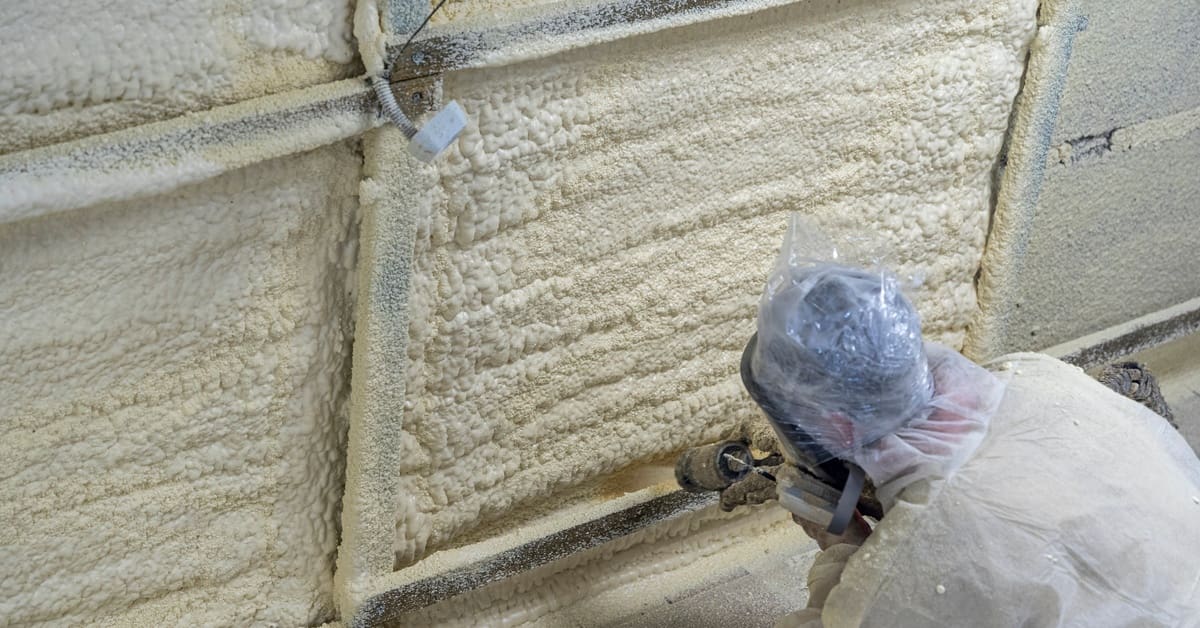
Spray foam insulation systems rely on two separate materials. The A-side typically contains isocyanate, while the B-side includes a resin blend. These materials must remain separate until they meet at the spray gun.
You should handle the A-side with extra care because isocyanate reacts with moisture. If moisture enters the system, it can create operational problems. Protect your pumps and lines from unnecessary exposure to air or water. When recommended, use desiccant dryers and follow proper drum handling practices.
The B-side also requires attention. Resin blends vary depending on the foam formulation. These differences affect viscosity and temperature requirements. Do not assume that two B-side materials will behave the same way just because they are both used for spray foam insulation.
Review Equipment Components Before Spraying
Before you introduce a new material, take time to review every part of your rig that will come into contact with it. While the proportioner often gets the most attention, the rest of the system plays an equally important role.
Focus on these components during your review:
- Transfer pumps
- Feed hoses
- Proportioner wetted parts
- Heated hoses
- Whip hose
- Spray gun
- Mix chamber
- Filters and screens
- Seals and O-rings
- Lubricants and pump fluids
Completing this review in advance lets you identify potential concerns before they affect production. You also create a clearer plan for maintenance or part replacement if needed.
Check Hose and Seal Compatibility
Hoses and seals stay in direct contact with material throughout the spraying process. Because of that, you need to confirm that they can handle the material you plan to use. A hose may meet pressure and temperature ratings, but it still needs to match the chemical properties of the material.
Heat adds another layer to consider. Heated hoses help maintain the correct application temperature as material travels across the jobsite. If the hose cannot hold that temperature, the material may reach the gun in poor condition.
Seals and O-rings also respond differently to chemical exposure. Some materials can cause swelling or wear if the seal material is not compatible. Always confirm replacement parts through your equipment manual or an authorized source. Similar-looking parts do not guarantee proper performance.
Pay Attention to Temperature Requirements
Temperature control plays a major role in how your material flows and reacts. When material is too cold, it becomes harder to pump and may create a pressure imbalance. When it is too warm, it may behave differently at the gun.
Use the supplier’s recommended temperature range as your guide. At the same time, remember that drum conditioning matters. If material starts too cold, your system will struggle to bring it into range. Continue monitoring temperature throughout the day. If something changes at the gun, it may point to a temperature or compatibility issue.
Avoid Cross-Contamination During Material Changes
When you switch materials, plan the process carefully. Residual product left in pumps, hoses, or the gun can create problems if it mixes with an incompatible material. Even small amounts can affect performance.
Follow the instructions from both the chemical supplier and the equipment manufacturer when changing products. Flushing procedures vary depending on the material and the system. Some products require specific flushing agents, while others need a different cleaning sequence. Only use cleaners that are approved for your equipment and materials.

Use Approved Cleaning and Storage Practices
Cleaning materials must work with both your chemical system and your equipment. If you use the wrong cleaner, you risk damaging seals or leaving behind residue. In some cases, you may even create safety concerns if the cleaner reacts with leftover material.
Storage practices also influence compatibility. Keep materials within their recommended temperature range and seal containers when not in use. Moisture control becomes especially important when working with isocyanate materials.
Train Crews To Recognize Compatibility Issues
Your compatibility guide becomes more effective when your crew knows what to look for. Applicators and helpers often notice changes first because they work closest to the equipment. They may see pressure shifts or material that does not condition properly.
Encourage your crew to pause and review when something seems off. Continuing to spray through an issue can create more work later. A short delay often protects your equipment and improves your results.
Keep Compatibility Reviews Part of Routine Maintenance
Material compatibility should remain part of your ongoing maintenance routine. Equipment changes over time, and you may introduce new materials into your workflow. A setup that worked last season may need adjustments after component replacements or product changes. By regularly reviewing the compatibility of urethane equipment materials, you protect your investment and support smoother production.
Spray Foam Systems offers spray foam equipment built to support contractors who need dependable performance across real jobsite conditions. From material handling to rig setup, the right equipment can help your crew work with greater confidence and make better decisions before each product enters the system.