


When it comes to fire safety, your choices have a direct impact on the security of the structure. Two popular fire protection methods are a thermal barrier or fire coating, but understanding which one you need will depend on the structure you need to protect.
Each serves a distinct purpose, and learning their differences is crucial to protecting both lives and property. Today, we’ll break down what these fire protection systems are, how they work, and which might be best suited for your needs.
Understanding Thermal Barriers for Fire Protection
Thermal barriers are commonly used in construction to protect foam-based insulation materials from fire hazards. These barriers act as a protective wall against heat and flames, slowing down the rate at which a fire can spread to the insulation underneath.
Thermal barriers consist of materials such as gypsum board and cement-based coatings designed for high thermal resistance. If you’re working on a large commercial project or even a residential setting with spray foam insulation, adding a thermal barrier ensures that the structure meets code requirements and safeguards occupants during an evacuation.
Demystifying Fire Coatings and Their Role
Fire coatings also referred to as fireproof or intumescent coatings, are specially formulated paints designed to provide direct fire protection to structural elements, such as steel, wood, or even fabric in some cases. When exposed to high temperatures, these coatings swell and create a thick, insulating char layer. This layer acts as a protective shield, reducing the heat transfer to the coated material and delaying its failure.
Fire coatings are common where aesthetic appearance is important, as they blend seamlessly with existing structures without requiring bulky add-ons like gypsum boards.
What Makes Each Solution Unique
Materials like foam that are highly combustible and require additional layers to meet fire safety standards benefit from thermal barriers. The protective wall gives first responders and occupants the chance to act swiftly and reach a safe location.
Fire coatings, however, excel in situations where maintaining the integrity of exposed structural materials is important. These coatings don’t add layers of material; instead, they act reactively when exposed to flames and prolong the structural performance of key building components.
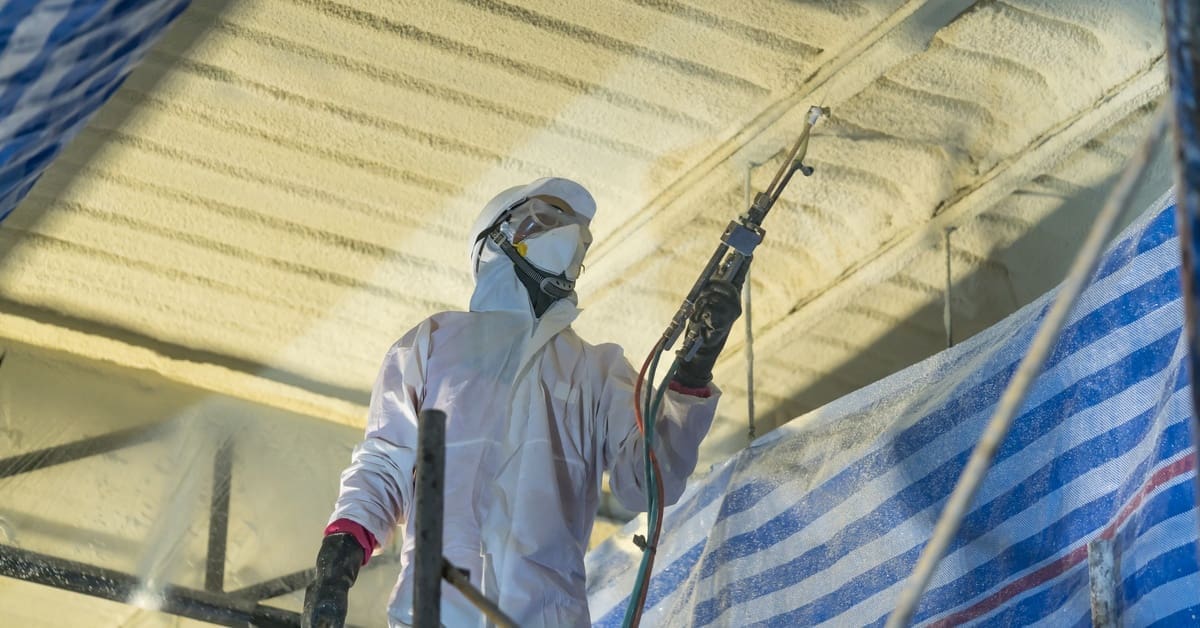
Spray Foam Systems offers high-quality Fusion FX spray guns that you can rely on for big and small projects. Whether you’re insulating commercial buildings or tackling fireproofing projects, our reliable equipment ensures you complete the job effectively. Explore our collection today!
Choose the Right Fire Protection System
Choosing between a thermal barrier and a fire coating starts by understanding which one you need first. If compliance demands layers of protection for expanded foam insulation, a thermal barrier is likely the most effective option. If you are securing visible structural materials, such as steel beams or wooden features, while keeping design elements intact, fire coatings offer an incredible solution.