


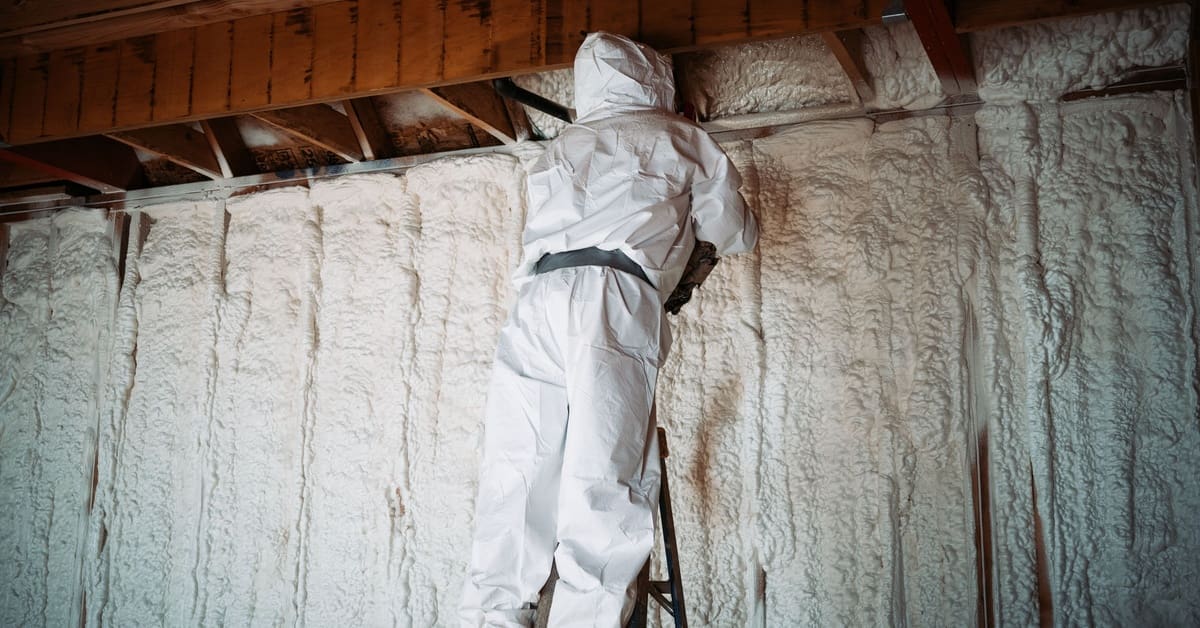
Spray foam insulation has revolutionized the construction industry with its effectiveness and versatility. Understanding how it works can enhance services for professional insulation contractors, allowing them to deliver excellent results for their clients. This efficient and flexible material can provide outstanding insulation with less effort and time, making it a top choice for clients and contractors alike. Here’s the science behind how spray foam insulation works, from chemical reactions to creating a robust barrier.
The Chemical Reaction That Starts It All
Spray foam begins with two key chemical components, commonly referred to as Side A or polymeric isocyanate, and Side B, which is usually a resin containing polyols. A rapid chemical reaction occurs when these two components mix, producing polyurethane foam. The chemical reaction will then generate heat and gas, causing the material to expand and fill in gaps, cracks, and hard-to-reach spaces, ensuring proper insulation.
From Liquid to Solid
Once the gas expands and fills in the gaps, the liquid foam quickly transitions from its expanding state to a hardened, solid foam within seconds, known as solidification. This process is the phase wherein the foam establishes its structure and durability.
Ensuring proper ratios, temperature, and application techniques during this process is critical. Incorrect application may compromise the foam’s structure, leading to less effective insulation.
Creating an Airtight Barrier
The ability to create an airtight barrier is one of spray foam insulation’s standout benefits. Once the foam solidifies, it must cure for at least a few hours to a day, depending on the site’s environment and foam type.
After curing, the material seals all gaps so effectively that it restricts air leakage, improving energy efficiency. This barrier also prevents moisture infiltration, reducing the risk of mold, mildew, and structural damage over time.
Open Cell vs. Closed Cell Spray Foam
There are two primary types of spray foam insulation, each designed for specific applications. Open-cell spray foam has a softer, more flexible structure, allowing some vapor to come in, providing breathability. Open-cell spray foam can also absorb noise and is often less expensive than closed-cell foam.
Closed-cell spray foam is denser and more rigid, and prevents any air and moisture from coming into the structure. Contractors should choose the appropriate type based on the project’s insulation, moisture control, and structural needs.
The Future of Efficiency Is Here
Spray foam insulation doesn’t just work well; it’s a revolutionary material that improves energy efficiency and building performance. Learning the science behind how spray foam insulation works and harnessing this innovative material is a step toward creating better, more sustainable structures.
Want to elevate your insulation projects and deliver superior results to your clients? Explore the extensive range of premium polyurethane spray rigs at Spray Foam Systems. These high-performance rigs can meet the demands of professional contractors and give them the edge needed to transform their next build.