When it comes to creating energy-efficient, comfortable homes, insulation is one of the most impactful investments contractors can recommend. Homeowners rely on your expertise to ensure their properties are optimized for both performance and cost savings.
The seven most important areas of the home to insulate are pivotal for heat retention, moisture control, and reducing utility expenses. Properly insulating these areas can make the difference between a home that wastes energy and one that offers peak efficiency and comfort.
1. Maximizing the Benefits of Attic Insulation
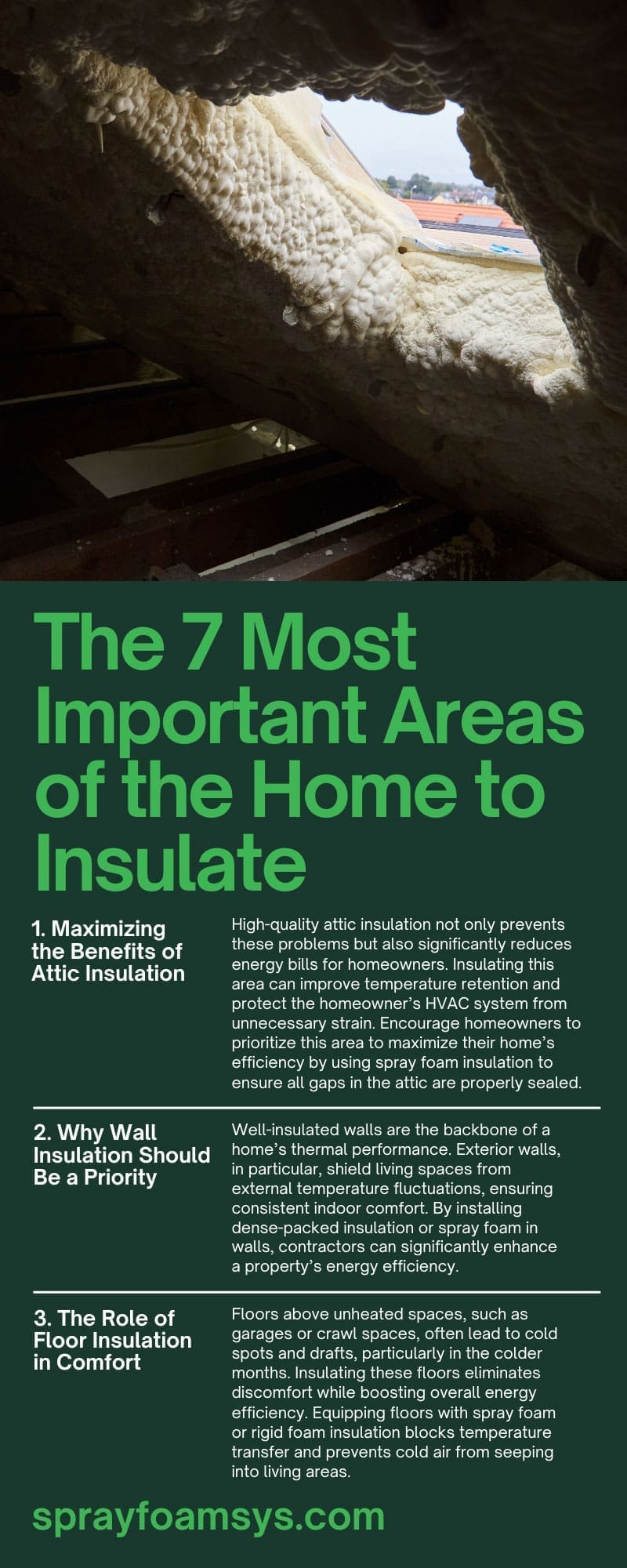
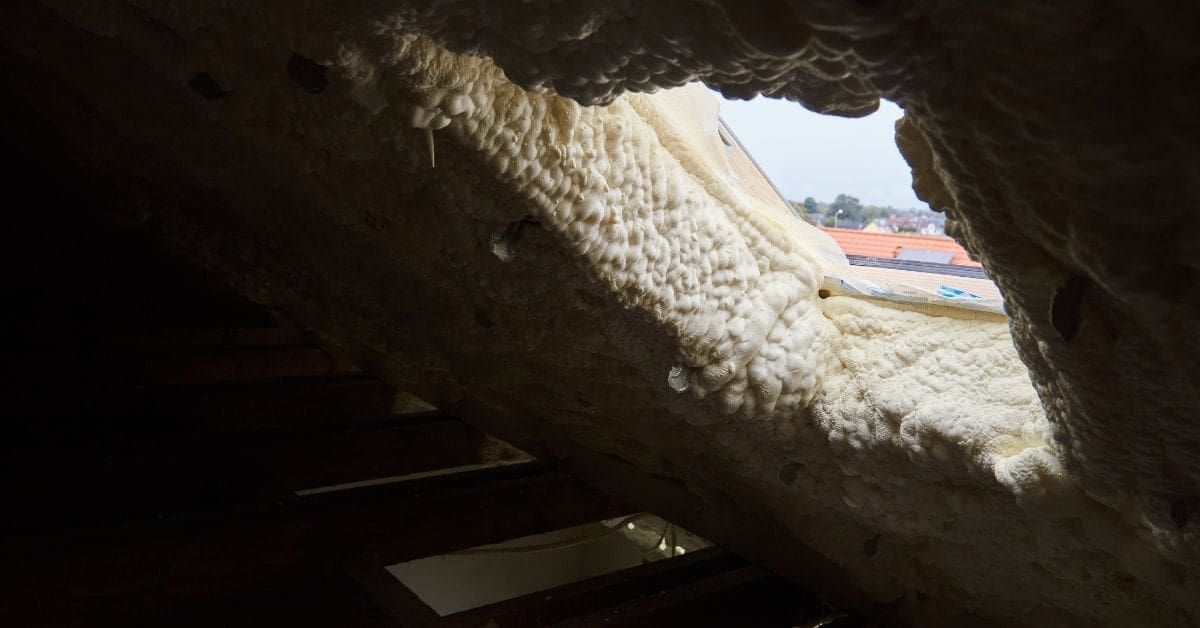
The attic is often the largest source of heat loss or gain in a home. Without proper insulation, heat rises and escapes in winter, forcing HVAC systems to work overtime to maintain indoor temperatures. Similarly, in the summer, poorly insulated attics allow heat to enter, making interiors uncomfortably warm and placing undue strain on cooling systems.
High-quality attic insulation not only prevents these problems but also significantly reduces energy bills for homeowners. Insulating this area can improve temperature retention and protect the homeowner’s HVAC system from unnecessary strain. Encourage homeowners to prioritize this area to maximize their home’s efficiency by using spray foam insulation to ensure all gaps in the attic are properly sealed.
Another important factor to consider when insulating your attic is ventilation. Proper ventilation is essential for maintaining a healthy and energy-efficient home. It helps regulate temperature, prevents moisture buildup, and reduces the risk of mold and mildew growth. For insulation to work effectively, it must be paired with adequate ventilation.
2. Why Wall Insulation Should Be a Priority
Well-insulated walls are the backbone of a home’s thermal performance. Exterior walls, in particular, shield living spaces from external temperature fluctuations, ensuring consistent indoor comfort. By installing dense-packed insulation or spray foam in walls, contractors can significantly enhance a property’s energy efficiency. Additionally, wall insulation minimizes sound transfer, creating a quieter environment, which is beneficial for homes in busier neighborhoods. It’s worth reminding homeowners that proper wall insulation provides both comfort and long-term savings, as it reduces the load on heating and cooling systems.
3. The Role of Floor Insulation in Comfort
Floors above unheated spaces, such as garages or crawl spaces, often lead to cold spots and drafts, particularly in the colder months. Insulating these floors eliminates discomfort while boosting overall energy efficiency. Equipping floors with spray foam or rigid foam insulation blocks temperature transfer and prevents cold air from seeping into living areas.
Investing in proper floor insulation can reduce heating needs during winter due to better heat retention. A warmer floor improves the home’s overall comfort level and makes a lasting impression on clients who value both functional and livable luxury.
4. Insulating the Basement for Mold Mitigation and Comfort
Basements play a crucial role in maintaining a home’s thermal capacity. Between temperature loss through walls and the potential for moisture problems, this area is a common weak link in energy performance. Properly insulating basement walls and ceilings combats cold air infiltration and prevents condensation that could lead to mold and mildew.
Basements are particularly prone to dampness, and when left alone, this moisture can compromise the integrity of the home’s structure. Insulating this area seals this vulnerability and creates a cozier and healthier environment. For contractors, this is an excellent opportunity to emphasize the immediate and long-term value of professional installation.
5. The Essential Component of Crawl Space Insulation
Crawl spaces are often overlooked, but they are vulnerable points in many homes. Without insulation, these spaces allow cold drafts to creep into living areas, making it harder to maintain comfortable temperatures. Additionally, uninsulated crawl spaces can expose pipes to freezing temperatures and destroy plumbing, leading to expensive repairs for homeowners.
Applying vapor barriers alongside high-performance spray foam insulation ensures crawl spaces are properly sealed and ventilated, protecting the home from energy loss. Suggesting this upgrade to clients is an effective way to enhance their property and build their trust in your expertise.
6. Closing Air Leaks Around Windows and Doors
Windows and doors are notorious culprits for air leakage, often creating year-round inefficiencies if left unsealed. Even state-of-the-art glazing won’t perform optimally without proper insulation and sealing around frames. Contractors can address these issues by using spray foam insulation and caulking to eliminate gaps. Furthermore, insulated window films or treatments can add an extra layer of protection.
Insulating the gaps between windows and doors may seem like a simple fix. However, this straightforward improvement not only stabilizes indoor temperatures but also reassures homeowners that every energy-saving measure has been considered in their renovation.
7. Insulating the Often-Forgotten Garage
Garages, particularly those attached to homes, are often overlooked when it comes to insulation. Oftentimes, garages simply act as forgotten storage for homeowners. However, these spaces are gateways for significant heat loss and gain. Insulating garage walls and doors reduces temperature transfer, making adjacent living areas more comfortable.
Using rigid foam insulation designed for garage applications ensures better temperature control and reduces noise transfer from outside. This feature is perfect for homeowners who would like to do crafting projects in their garage. For clients interested in transforming their garages into functional extensions of their homes, insulation becomes even more important.
Are you a contractor in need of a reliable used spray foam rig? Look no further than Spray Foam Systems! We specialize in providing high-quality spray foam equipment at unbeatable prices, giving you professional-grade tools for a fraction of the cost. Whether you’re starting out or expanding your business, our selection of durable and efficient rigs is designed to meet your needs without breaking the bank.
Insulation Requires Attention to Detail
For contractors looking to provide unparalleled value to their clients, ensuring proper insulation in every critical area of the home should be a top priority. Insulating these seven most important areas of the home enhances thermal comfort, reduces energy costs, and reinforces your reputation as a trusted expert in creating efficient, high-performing homes.
Whether your next project involves sealing up a drafty crawl space or upgrading an attic’s insulation, each improvement brings your clients one step closer to more comfortable, functional homes. Your knowledge and attention to detail can turn potential energy weaknesses into lasting solutions. By proactively insulating these essential areas, you’re improving homes and empowering clients to make informed, impactful choices for years to come.