


For professional contractors, understanding the nuances between leading materials is not just a job requirement; it’s the foundation of your reputation. The debate over spray foam and radiant barriers, along with their pros and cons as insulation materials, is a common one, with strong arguments for each. Read on as we provide a definitive breakdown of these two powerful insulation methods, equipping you with the knowledge to make the best recommendation for any project.
The Reflective Strength of a Radiant Barrier
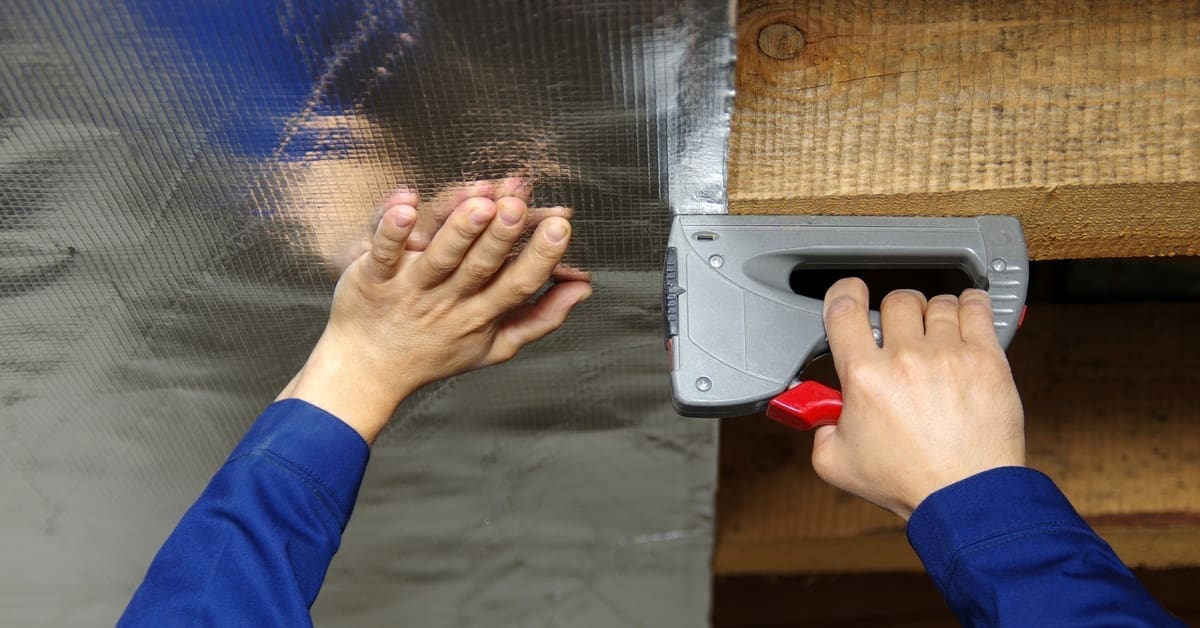
A radiant barrier is quite a unique material. Instead of resisting conductive heat flow like traditional insulation, it reflects radiant heat. Made of a highly reflective material, usually aluminum, it is most effective when installed in attics in hot climates. It minimizes the amount of radiant heat that transfers from the hot roof deck to the attic space below, thereby reducing cooling loads.
The installation process is simpler than spray foam. Additionally, a radiant barrier doesn’t cause the same air quality concerns during application.
Important Limitations To Note
The primary limitation of a radiant barrier is that it only reflects heat. It does not affect conductive or convective heat transfer, meaning it is not a standalone solution for all climates. In cold regions, its benefits are minimal, as it does little to prevent heat loss from inside the building.
The Power of Spray Foam Insulation
Spray polyurethane foam is a premier insulation material known for creating an exceptional air seal. Applied as a liquid, it expands to fill every crack and crevice, forming a monolithic barrier that is virtually impermeable to air and moisture. This comprehensive seal drastically reduces air leakage, which is a major source of energy loss in buildings. Furthermore, closed-cell spray foam adds structural rigidity to walls and roof decks, enhancing the building’s overall strength.
Drawbacks To Consider
Despite its powerful performance, spray foam is not without its considerations. The initial investment is typically higher than for other insulation types, which can be a factor for budget-conscious projects. The application process also requires specialized equipment and certified professionals to ensure it is installed correctly and safely.
Thinking about expanding your services with spray foam insulation? Spray Foam Systems has you covered! We provide high-quality, durable, and reliable spray foam rigs designed to meet all your business needs. Whether you’re taking on small residential projects or large-scale commercial jobs, our rigs deliver the performance and efficiency you can count on.
Deliver the Best Insulation Solution
Ultimately, the debate between spray foam and radiant barriers comes down to their pros and cons, the project specifics, and the budget. Spray foam offers an all-in-one solution that provides a superior air seal, high R-value, and moisture control, making it a versatile choice for a wide range of applications. A radiant barrier, on the other hand, is a specialized product that excels at reducing cooling costs in hot climates.