


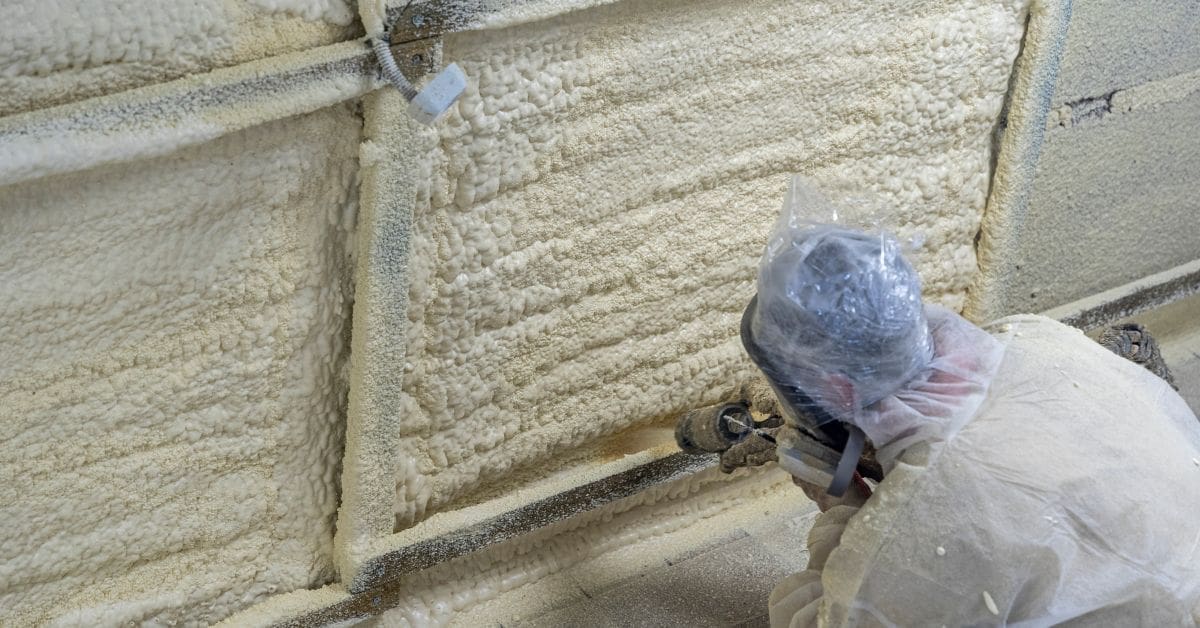
When it comes to mastering a trade or skill, there’s no substitute for hands-on experience, especially if you are trying to enter the spray foam industry. Spray foam application is a complex yet highly rewarding skill that demands precision, care, and understanding of the materials, tools, and techniques needed for the project.
During spray foam training, the benefits of hands-on practice become evident when considering efficiency and safety. Read on as we explore why hands-on practice matters, how this approach enhances learning, what safety advantages it offers, and why it’s critical for business success in the spray foam industry.
Gaining Experience
While theoretical knowledge is undeniably important, practical application brings the process to life. Reading about spray foam equipment, chemical properties, and installation techniques certainly builds foundational knowledge, but these insights need to be executed to be fully understood.
Spray foam insulation requires the installer to manage variables like temperature, mixing ratios, and spray consistency. These aren’t aspects you can fully grasp without physically engaging with the materials, as missteps in the actual application can ruin projects. This means competency must be built up through actual, guided practice. During hands-on training sessions, learners interact directly with spray guns, air systems, and other essential tools, bridging the gap between theoretical knowledge and practical application.
This immersion also builds confidence. A technician holding a spray gun for the first time will likely feel cautious and unsure about angles, distance, patterns, and pressure. However, with practice, these steps become intuitive, allowing them to become a skillful spray foam technician.
Learning From Real-Life Scenarios
Spray foam installation isn’t a one-size-fits-all operation; every jobsite is unique. Hands-on training brings the benefit of exposing learners to a variety of real-life scenarios as they learn how to tackle challenging corners, uneven surfaces, and varying building conditions. Practical training puts operators face-to-face with the materials and tools, helping them understand complexities that theory can’t adequately prepare them for.
Another advantage of hands-on training is being able to learn troubleshooting skills. Machines malfunction, unexpected weather conditions arise, and unique building materials present challenges that theoretical knowledge cannot explain. Hands-on training introduces these variables in a controlled environment, allowing trainees to learn problem-solving strategies without the high stakes of an actual project.
Elevating Safety Standards
Spray foam insulation can pose serious hazards if not applied correctly. The process involves handling chemicals under high pressure, which, when mishandled, can lead to significant health risks, damage to expensive equipment, or even property destruction. This is why hands-on practice is invaluable—it provides a deeper, more practical understanding than theoretical instruction alone can offer.
Through practical training, operators not only build technical proficiency but also develop essential safety skills. They learn how to properly set up and use safety equipment, ensure adequate ventilation during application, and correctly wear and maintain personal protective equipment (PPE). Additionally, hands-on practice teaches them how to handle complex equipment safely and recognize potential risks before they escalate into more significant issues.
Operators also become familiar with emergency protocols, making these responses almost instinctive, which significantly reduces the likelihood of accidents on-site. By combining hands-on training with regular safety drills, technicians solidify these best practices into their daily routines. Over time, this commitment to safety becomes ingrained into workplace culture, benefiting everyone involved.
Increasing Efficiency and Precision
One of the key traits of a well-trained spray foam technician is their ability to work efficiently and effectively. Efficiency is not just about speed; it’s about achieving precision and consistency while minimizing material waste. Beginners, however, often struggle with this balance and can make mistakes that lead to wasted foam, extended project timelines, and dissatisfied clients. This is why hands-on experience is so crucial—it accelerates the learning process by giving trainees the opportunity to practice efficient techniques under the guidance of skilled professionals.
With each practice session, technicians build the muscle memory needed to master the critical factors of distance, angles, and speeds required for smooth, even, and precise application. They gain the ability to optimize foam coverage, ensuring uniform results while minimizing issues such as overspray or under-application. Both of these common mistakes can negatively impact the overall effectiveness of the spray foam insulation, as well as its visual appeal.
Beyond technical skills, efficiency gained through hands-on training has a direct impact on profitability and business success. Fewer errors lead to less material waste, faster project completion, and more satisfied clients—all of which are crucial for maintaining and growing a strong reputation in the competitive spray foam industry. For businesses, investing in thorough, practical training for their technicians not only enhances the quality of work but also creates a solid competitive edge that can set them apart in the market.
Supporting Business Growth and Reputation
For small businesses in the spray foam industry, reputation is everything. A strong reputation builds trust, and trust is earned by consistently delivering high-quality results. Much of this success depends on the skill of employees, making proper training a cornerstone of excellence. Well-trained technicians not only improve the quality of work but also strengthen a company’s portfolio. Achieving this level of expertise requires more than theory—it demands hands-on practice that prepares workers for real-world challenges.
Investing in comprehensive and immersive training shows a company’s commitment to quality and competence. A strong team of well-trained employees also allows business owners to scale their operations confidently, knowing their standards will be upheld as the company grows.
Additionally, hands-on training has profound benefits for employee satisfaction and retention. When workers feel supported and empowered through practical, skills-focused training, they are more likely to take pride in their roles. This sense of confidence and accomplishment helps reduce turnover, fosters loyalty, and builds a motivated workforce. Ultimately, investing in training is not just an investment in employees but in the company’s long-term success and reputation.
At Spray Foam Systems, we offer comprehensive and immersive spray foam training, connecting you with experts so you can gain the skills that will give you an additional edge in the competitive industry.
Shaping the Future With Comprehensive Training
The spray foam industry is growing rapidly, and technology continues to advance how insulation products are applied. Businesses that prioritize hands-on training position themselves to stay ahead of trends and adapt to evolving standards and regulations.
Understanding the importance of spray foam training and the benefits of hands-on practice is crucial for anyone trying to enter the industry. Continuous practice ensures that technicians are ready to tackle new challenges while maximizing the benefits of cutting-edge tools and innovations.
