


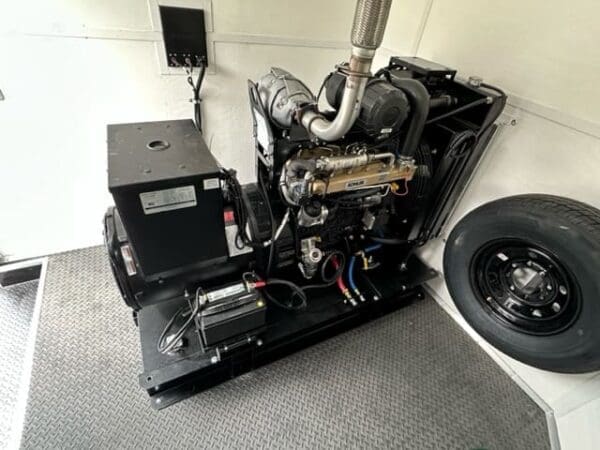
A reliable generator keeps your spray foam rig operating consistently from one job to the next. When the generator performs well, your proportioner, heated hose, compressor, and electrical components work the way they should. Regular care reduces downtime, protects internal parts, and helps your rig stay productive during long spraying days. Because the generator supports so much of your equipment, even small maintenance steps can make a noticeable difference in overall performance.
Taking care of your generator also helps extend the life of your spray foam rig. Clean filters, healthy oil levels, and stable fuel quality help the engine run cooler and more efficiently. Contractors rely on their rigs for steady output, and a well-maintained generator eliminates many of the delays that interrupt job schedules. With the right upkeep, your generator remains strong in all seasons and delivers the dependable power your work requires.
How Generator Care Supports Your Spray Foam Rig
Your generator must deliver consistent electrical output for your spray foam rig to operate smoothly. When voltage stays steady, material heats evenly, pressures remain stable, and the compressor performs without strain. Checking oil levels, inspecting wiring, and replacing filters on time helps avoid unexpected shutdowns or performance issues that can interrupt the job.
Fuel quality has a major impact on generator performance. Dirty or stale fuel leads to rough starts, reduced output, and damage to internal components. Storing fuel properly and using clean containers helps protect both gas and diesel systems. When fuel pathways stay clear, your spray foam rig benefits from smoother starts and more reliable daily operation.
Gas Generator Maintenance Requirements
Gas generators power many spray foam rigs, and their performance depends heavily on clean airflow and proper ignition. The carburetor must stay free of deposits to ensure consistent combustion. When varnish or buildup forms inside the carburetor, the generator may surge, stall, or run unevenly under load. Spark plugs are another critical component. Worn or fouled spark plugs can cause misfires, hard starts, or weaker power output, all of which directly affect the consistency of your spray foam rig.
Air filters also play an important role in gas generator performance. When airflow becomes restricted, the engine burns fuel less efficiently and produces less reliable power. Regularly checking and replacing air filters helps protect the engine and improves long-term stability. Keeping fresh fuel on hand prevents varnish-related issues, especially when generators sit unused for periods of time.
Diesel Generator Maintenance Requirements
Diesel units offer strong torque and long-running durability, making them popular power sources for heavy-duty spray foam rig setups. Their performance depends on healthy injectors, clean fuel pathways, and proper heat management. Because diesel fuel can collect moisture or contaminants, frequent filter changes are essential. Clean filtration prevents damage to injectors and ensures consistent firing.
Glow plugs are another important component in diesel engines. When glow plugs wear out, cold starts become difficult and the generator may struggle to deliver full power until warmed up. Soot buildup can also affect diesel engines, especially when they run under partial load. Inspecting exhaust color and cleaning components when needed helps maintain efficiency. With consistent fuel system care and seasonal adjustments, diesel generators deliver steady performance that supports demanding spray foam rig applications.
Recognizing Early Signs of Wear Before They Cause Downtime
Generators often give small warnings before a major problem develops. Slow starting, irregular voltage, unusual noises, or changes in exhaust color can all signal that maintenance is needed. Because these changes can affect heater performance, compressor output, or proportioner pressure, addressing them quickly helps protect the entire spray foam rig.
Monitoring belts, coolant levels, and electrical connections also helps identify issues early. A regular inspection routine keeps your equipment ready for long workdays and reduces the chance of unexpected power loss on the job.
If you want dependable performance from your spray foam rig, keeping your generator in top shape is one of the most effective ways to protect your equipment. Routine care supports smoother operation, improves reliability, and helps your rig stay productive through all types of spraying conditions.
FAQs
How often should generator oil be changed?
Most generators require an oil change every 100–150 hours, depending on workload and manufacturer recommendations.
What causes the most generator-related downtime?
Fuel contamination, clogged filters, and restricted airflow are the most common causes of power loss and hard starting.
How do I know if my generator is sized correctly for my spray foam rig?
Most spray foam rigs require 20kW–40kW depending on heater wattage, compressor load, and proportioner demands.
About Spray Foam Systems
Spray Foam Systems is the #1 spray foam rig builder and spray foam equipment supplier in the United States. Family-owned and proudly serving the industry since 2007, we operate from a 7-acre campus with over 80,000 square feet of dedicated working space in Greensboro, GA. With over 10,000 customers served over the last 18 years, we specialize in delivering high-quality turnkey spray foam systems, distributing top-tier equipment and supplies, and providing nationwide service and training to help contractors grow and succeed in the spray foam insulation and roofing markets.