


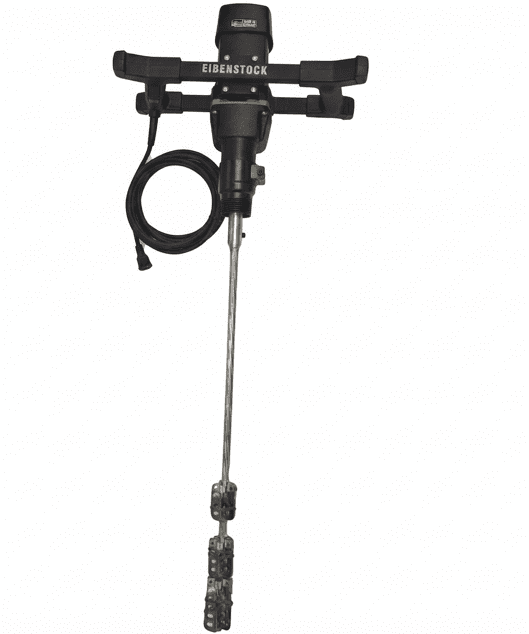
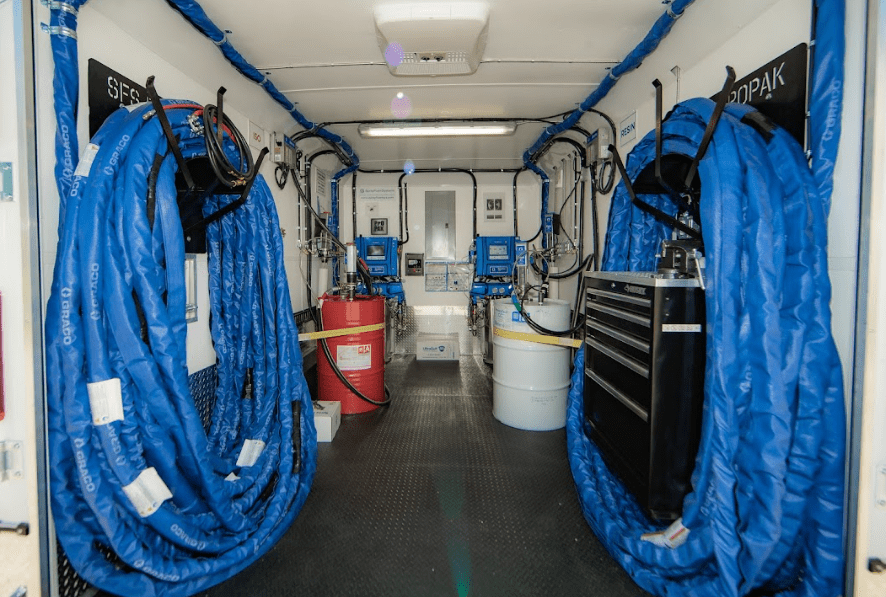
Consistency is everything when running a mobile spray foam rig. From material temperature to pressure and mix quality, every component plays a role in final foam performance. One often overlooked tool is the spray foam mixer, yet it directly impacts yield, adhesion, and overall job quality.
Spray foam mixers help contractors maintain proper material blending before application. As a result, they support reliable output and reduce costly issues on the job site.
Why Mixers Matter on a Mobile Spray Foam Rig
A mobile spray foam rig operates in changing environments. Temperature swings, humidity, and material storage conditions can all affect foam chemistry. Because of this, proper mixing becomes essential.
Without consistent mixing, contractors may experience:
- Off-ratio foam
- Poor cell structure
- Reduced yield
- Inconsistent spray patterns
By using the right mixer, a mobile spray foam rig can maintain stable material quality from start to finish.
How Spray Foam Mixers Improve Performance
Spray foam mixers work by keeping materials properly blended before they enter the proportioner system. This ensures that both A and B components stay uniform throughout the job.
As a result, contractors benefit from:
- Even material distribution
- Improved foam expansion
- Better adhesion to surfaces
- Reduced waste during application
In addition, a well-mixed material supply allows the mobile spray foam rig to operate more efficiently with fewer adjustments.
Types of Mixers Used in a Mobile Spray Foam Rig
Different projects require different mixing solutions. Therefore, choosing the right mixer depends on your setup and material type.
Common options include:
- Drum mixers for 55-gallon material drums
- Bung-mounted mixers for sealed systems
- Electric mixers for consistent, controlled operation
- Portable mixers for flexible jobsite use
Each option helps a mobile spray foam rig maintain proper material consistency under varying conditions.
Key Features to Look for in Spray Foam Mixers
Not all mixers are built the same. When selecting a mixer for your mobile spray foam rig, focus on features that improve durability and performance.
Important features include:
- Variable speed control for different materials
- Heavy-duty construction for daily use
- Easy mounting for quick setup
- Compatibility with standard drum sizes
- Low maintenance design
These features ensure your mobile spray foam rig runs smoothly without unnecessary downtime.
Supporting Efficiency and Jobsite Productivity
Efficiency matters on every job. A properly equipped mobile spray foam rig reduces setup time and keeps production moving.
Mixers contribute to this by:
- Preventing material separation during long jobs
- Reducing the need for manual agitation
- Helping maintain consistent spray quality
- Minimizing rework caused by poor mixing
Because of this, contractors can complete projects faster while maintaining high standards.
Integration with Your Mobile Spray Foam Rig Setup
Spray foam mixers integrate easily into most mobile spray foam rig configurations. Whether mounted directly on drums or used as portable units, they fit seamlessly into daily operations.
They also support other key components, including:
- Proportioners
- Heated hose systems
- Transfer pumps
- Spray guns
This integration ensures the entire mobile spray foam rig works together for optimal performance.
Reducing Waste and Increasing Profitability
Material waste can quickly reduce job profitability. However, proper mixing helps ensure that every batch performs as expected.
With consistent mixing, a mobile spray foam rig can:
- Maximize material yield
- Reduce off-ratio foam issues
- Lower material replacement costs
- Improve overall job efficiency
Over time, these benefits add up and help contractors protect their bottom line.
Built for Contractors on the Move
A mobile spray foam rig must perform in a variety of environments. From residential jobs to commercial applications, reliability is key.
Spray foam mixers are designed to:
- Handle rugged jobsite conditions
- Operate in different temperatures
- Maintain performance during long spray sessions
- Support high-production workflows
Because of this, they are a valuable addition to any mobile spray foam rig setup.
Choosing the Right Mixer for Your Needs
Selecting the right mixer depends on your workflow and material type. Contractors should consider job size, production goals, and equipment compatibility.
Before choosing, evaluate:
- Material viscosity
- Drum size and configuration
- Power requirements
- Frequency of use
Making the right choice ensures your mobile spray foam rig performs consistently on every project.
FAQs
What does a spray foam mixer do on a mobile spray foam rig?
A spray foam mixer keeps materials properly blended before they enter the system, ensuring consistent foam quality and performance.
Do all mobile spray foam rig setups need mixers?
While not always required, most mobile spray foam rig setups benefit from mixers because they improve consistency and reduce application issues.
How do mixers improve spray foam results?
Mixers help maintain uniform material composition, which leads to better expansion, adhesion, and overall foam performance.
About Spray Foam Systems
Spray Foam Systems is the #1 spray foam rig builder and spray foam equipment supplier in the United States. Family-owned and proudly serving the industry since 2007, we operate from a 7-acre campus with over 80,000 square feet of dedicated working space in Greensboro, GA. With over 10,000 customers served over the last 18 years, we specialize in delivering high-quality turnkey spray foam systems, distributing top-tier equipment and supplies, and providing nationwide service and training to help contractors grow and succeed in the spray foam insulation and roofing markets.