


Choosing an insulation system involves more than material cost alone. Contractors often compare spray foam insulation vs fiberglass because each option delivers different performance, installation methods, and equipment needs. By understanding how these systems work and which machines apply them, contractors can make better decisions for each project type.
Spray Foam Insulation vs Fiberglass: Core Material Differences
Fiberglass insulation works by trapping air within fibers to slow heat transfer. However, it does not stop air movement unless paired with additional air-sealing steps. Spray foam insulation, by contrast, expands after application and seals gaps, cracks, and penetrations.
As a result, spray foam insulation vs fiberglass comparisons often focus on air control and long-term performance. Fiberglass suits high-volume installs where speed matters, while spray foam excels when energy efficiency and moisture control matter most.
Fiberglass Insulation Machines and Applications (Krendl)
Fiberglass insulation requires machines that can break up material and move large volumes of air. These systems focus on consistency and coverage rather than heat or pressure.
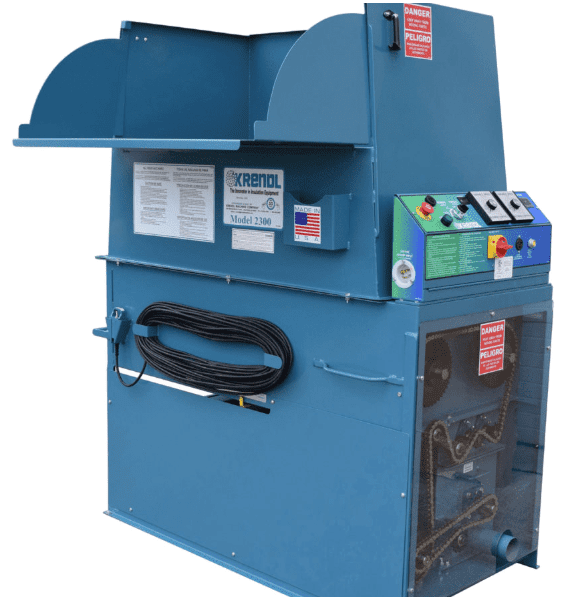
Krendl Fiberglass Insulation Machines
Krendl insulation machines are widely used for fiberglass applications in residential and commercial construction. These machines condition material evenly and deliver it through hoses to walls, attics, and open spaces.
Because fiberglass relies on proper density, Krendl machines are commonly used for:
- Loose-fill fiberglass attic installations
- Wall spray fiberglass systems
- Large-scale residential insulation projects
When evaluating spray foam insulation vs fiberglass, Krendl machines highlight how fiberglass applications depend on airflow and material control instead of chemical mixing.
Spray Foam Machines and Applications
Spray foam insulation requires precise control of heat, pressure, and material ratio. For that reason, specialized spray foam machines are essential for consistent results.
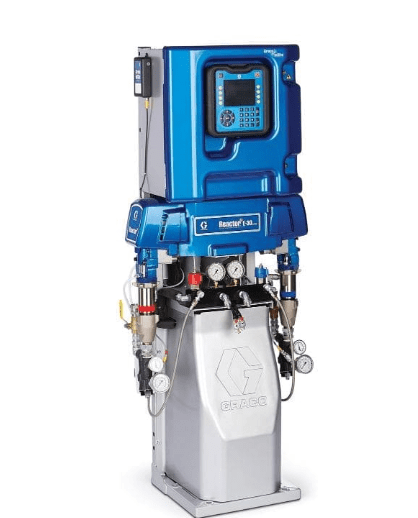
Graco Reactor Spray Foam Machines
Graco Reactor machines are central to professional spray foam operations. These proportioners heat and pump A and B materials accurately, ensuring proper mixing at the spray gun.
In addition, Graco Reactor machines support:
- Residential and commercial spray foam insulation
- Roofing foam and specialty applications
- Long heated hose runs for large job sites
Because accuracy affects foam quality, these machines play a major role in spray foam insulation vs fiberglass decisions for high-performance buildings.
Nitrosys Systems
Nitrosys systems support spray foam work by managing material delivery and consistency. When paired with a proportioner, these cabinets help maintain steady flow during extended spray sessions.
Therefore, contractors often choose Nitrosys systems for:
- High-output spray foam projects
- Jobs requiring consistent material feed
- Applications where repeatable results matter
PMC Spray Equipment
PMC machines are used for polyurea, coatings, and specialty spray systems. Although these applications differ from insulation, they often overlap with spray foam work and require similar control over pressure and reaction speed.
Choosing the Right Equipment for Each Insulation Type
Spray foam insulation vs fiberglass is not a matter of one system replacing the other. Instead, each material fills a specific role depending on project goals, budget, and building design. Many contractors operate both fiberglass and spray foam machines to expand their service offerings.
Fiberglass machines work best for:
- High-volume residential builds
- Attic and wall cavity insulation
- Cost-driven insulation projects
Spray foam machines work best for:
- Air sealing and moisture control
- High-performance residential and commercial structures
- Roofing and specialty foam systems
By matching the correct machine to the material, contractors achieve better results when comparing spray foam insulation vs fiberglass.
FAQs
What is the main difference between spray foam insulation vs fiberglass?
Spray foam expands to seal air gaps, while fiberglass relies on fiber density and does not stop air movement on its own.
Can one machine apply both fiberglass and spray foam?
No. Fiberglass requires blowing machines like Krendl units, while spray foam needs proportioners such as Graco Reactor machines.
Do contractors commonly offer both options?
Yes. Many contractors provide spray foam insulation vs fiberglass solutions by using dedicated machines for each system.
About Spray Foam Systems
Spray Foam Systems is the #1 spray foam rig builder and spray foam equipment supplier in the United States. Family-owned and proudly serving the industry since 2007, we operate from a 7-acre campus with over 80,000 square feet of dedicated working space in Greensboro, GA. With over 10,000 customers served over the last 18 years, we specialize in delivering high-quality turnkey spray foam systems, distributing top-tier equipment and supplies, and providing nationwide service and training to help contractors grow and succeed in the spray foam insulation and roofing markets.