


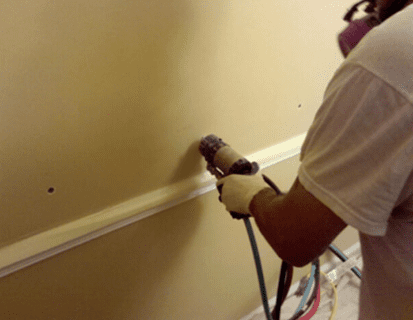
Upgrading insulation without tearing down drywall is possible with the right process and equipment. Spray foam insulation in existing walls allows contractors and property owners to improve comfort, energy efficiency, and air sealing during retrofit projects. However, these projects require careful planning, proper tools, and strict safety practices to achieve consistent results.
Why Retrofit Existing Walls with Spray Foam
Many older homes and buildings suffer from air leaks, uneven temperatures, and high energy costs. Spray foam insulation in existing walls addresses these issues by filling hidden cavities and sealing gaps that traditional insulation often misses.
Common reasons for retrofitting include:
- Improving thermal performance without major remodeling
- Reducing drafts and outside noise
- Enhancing overall building efficiency
- Correcting poorly insulated wall cavities
Because wall cavities are enclosed, spray foam insulation in existing walls requires a controlled pour-in method rather than open spray application.
How the Pour Foam Process Works
Unlike open-wall spraying, spray foam insulation in existing walls uses a pour foam approach. Contractors drill small access holes between studs, typically from the interior or exterior, depending on the project.
The general process includes:
- Drilling access holes at measured intervals
- Injecting pour foam into each cavity
- Allowing the foam to expand and fill voids
- Sealing and patching drilled holes after curing
This method ensures the foam fills the wall cavity evenly without excessive pressure on drywall or exterior surfaces.
Using the Fusion AP Pour Kit for Retrofit Applications
The Fusion AP pour kit plays a critical role in controlled retrofit installations. It is designed to dispense pour foam accurately, which is essential when applying spray foam insulation in existing walls.
Key benefits of using the Fusion AP pour kit include:
- Precise control over material flow
- Consistent mixing for on-ratio foam
- Reduced risk of overfilling wall cavities
- Improved accuracy in confined spaces
When paired with the correct pour foam material, this kit helps contractors deliver reliable results in retrofit wall insulation projects.
Tracking Foam Coverage with an Infrared Camera
Because wall cavities are hidden, verifying coverage is essential. An infrared camera allows contractors to see where spray foam insulation in existing walls has filled voids and where gaps may remain.
Infrared imaging helps by:
- Identifying unfilled or underfilled areas
- Confirming even foam distribution
- Reducing guesswork during installation
- Improving quality control on retrofit jobs
Using an infrared camera ensures each cavity receives proper coverage before sealing access points.
Safety and PPE Requirements for Retrofit Projects
Working with spray foam insulation in existing walls requires strict attention to safety. Proper personal protective equipment protects installers during drilling, foam dispensing, and cleanup.
Recommended PPE includes:
- Full-face or half-mask respirator with appropriate cartridges
- Chemical-resistant gloves
- Protective coveralls
- Eye protection
- Hearing protection when drilling
In addition, contractors should ensure proper ventilation during application and follow all manufacturer safety guidelines for pour foam materials.
Common Challenges and How to Avoid Them
Retrofit wall projects present unique challenges. However, proper planning and equipment help avoid costly issues.
Common challenges include:
- Overfilling cavities and stressing drywall
- Missing sections within wall bays
- Inconsistent foam expansion
- Poor visibility inside walls
Using the Fusion AP pour kit, monitoring with an infrared camera, and following a measured filling process helps overcome these challenges and ensures spray foam insulation in existing walls performs as intended.
If you are planning a retrofit project and need guidance on pour foam, application tools, or safety equipment, contact Spray Foam Systems to make sure you are set up correctly from the start.
FAQs
Can spray foam insulation be added to finished walls?
Yes. Spray foam insulation in existing walls is installed by drilling small access holes and using pour foam to fill enclosed cavities without removing drywall.
Why is an infrared camera important for retrofit foam projects?
An infrared camera allows installers to verify where foam has filled cavities and identify areas that need additional material before closing the wall.
Is special equipment required for pour foam applications?
Yes. A controlled dispensing system like the Fusion AP pour kit is essential for accurately applying pour foam in enclosed wall cavities.
About Spray Foam Systems
Spray Foam Systems is the #1 spray foam rig builder and spray foam equipment supplier in the United States. Family-owned and proudly serving the industry since 2007, we operate from a 7-acre campus with over 80,000 square feet of dedicated working space in Greensboro, GA. With over 10,000 customers served over the last 18 years, we specialize in delivering high-quality turnkey spray foam systems, distributing top-tier equipment and supplies, and providing nationwide service and training to help contractors grow and succeed in the spray foam insulation and roofing markets.