


Safety plays a critical role in every spray foam insulation project. Contractors work with chemicals, confined spaces, and airborne particles that require proper protection. That is why reliable PPE, especially supplied fresh air systems, is essential for maintaining a safe and productive jobsite.
Spray Foam Systems supports contractors by providing high-quality supplied fresh air systems designed specifically for spray foam insulation applications. These systems help ensure clean breathing air, reduce exposure risks, and allow crews to focus on delivering consistent results.
Why Air Safety Matters in Spray Foam Insulation
Spray foam insulation creates a controlled chemical reaction that can release vapors and aerosols during application. Without proper respiratory protection, these conditions can impact worker health and jobsite compliance.
Using supplied fresh air systems during spray foam insulation projects helps:
- Deliver clean, breathable air directly to the operator
- Reduce exposure to airborne chemicals and particulates
- Support OSHA safety standards and best practices
- Improve comfort during long spray sessions
As a result, contractors can work more confidently while maintaining safety and performance.
What Are Supplied Fresh Air Systems?
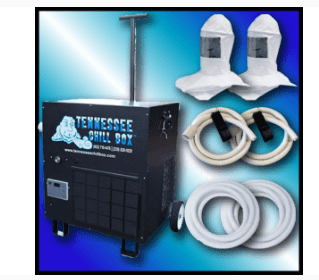
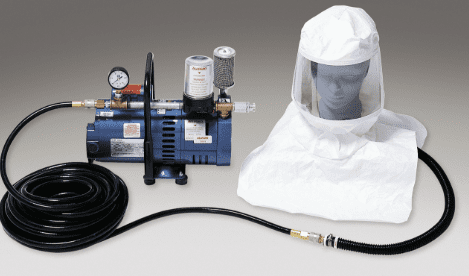
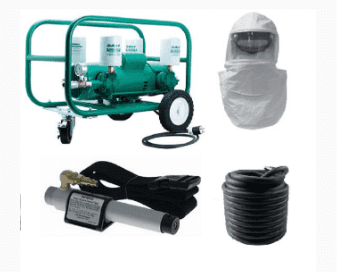
Supplied fresh air systems provide a continuous flow of clean air from a remote source to the operator’s mask or hood. Unlike traditional respirators, these systems do not rely on filters alone.
For spray foam insulation, this approach offers a higher level of protection because:
- Air is delivered from outside the spray zone
- Systems maintain consistent airflow throughout the job
- Operators experience less breathing resistance
- Equipment supports extended use without frequent filter changes
Because of these advantages, supplied fresh air systems have become a standard for professional spray foam insulation contractors.
Key Features of Supplied Fresh Air Systems
Spray Foam Systems offers supplied fresh air systems built for durability and jobsite efficiency. These systems are designed to handle the demands of daily spray foam insulation work.
Common features include:
- High-performance air pumps for steady airflow
- Long hose lengths for mobility across the jobsite
- Comfortable full-face masks or hoods
- Durable construction for rugged environments
- Easy setup and maintenance
These features ensure contractors can integrate air safety into their spray foam insulation workflow without slowing down production.
How Supplied Air Improves Jobsite Performance
Safety and performance go hand in hand. When contractors feel protected, they can focus on proper spray technique and material application.
With supplied fresh air systems, spray foam insulation crews benefit from:
- Increased confidence during application
- Reduced fatigue from breathing resistance
- Consistent focus on spray quality
- Fewer interruptions for equipment changes
Therefore, investing in proper air systems supports both worker safety and overall job efficiency.
Choosing the Right System for Your Operation
Selecting the right supplied fresh air system depends on your crew size, job type, and equipment setup. Spray Foam Systems helps contractors match the right system to their spray foam insulation needs.
Consider the following when choosing a system:
- Number of operators requiring air supply
- Hose length needed for your typical jobsite
- Type of mask or hood preferred
- Compatibility with your existing spray foam insulation setup
By choosing the right configuration, contractors can ensure reliable protection on every job.
Supporting Long-Term Contractor Success
Spray Foam Systems continues to support contractors with solutions that improve safety, performance, and reliability. Supplied fresh air systems are a key part of that commitment.
By prioritizing air safety in spray foam insulation, contractors not only protect their crews but also strengthen their reputation for professionalism and quality work.
FAQs
What is spray foam insulation and why does it require fresh air systems?
Spray foam insulation is a chemical-based insulation that expands and seals surfaces. Because the process releases vapors and particles, supplied fresh air systems help provide clean air and protect operators during application.
Is spray foam better than fiberglass for insulation projects?
Spray foam insulation often provides better air sealing and energy efficiency compared to fiberglass. It expands to fill gaps, which helps reduce air leaks, while fiberglass relies more on proper installation to perform effectively.
What should contractors look for in supplied fresh air systems for spray foam insulation?
Contractors should look for reliable airflow, durable components, comfortable masks or hoods, and enough hose length to cover the jobsite. A well-designed system ensures consistent protection during spray foam insulation work.
About Spray Foam Systems
Spray Foam Systems is the #1 spray foam rig builder and spray foam equipment supplier in the United States. Family-owned and proudly serving the industry since 2007, we operate from a 7-acre campus with over 80,000 square feet of dedicated working space in Greensboro, GA. With over 10,000 customers served over the last 18 years, we specialize in delivering high-quality turnkey spray foam systems, distributing top-tier equipment and supplies, and providing nationwide service and training to help contractors grow and succeed in the spray foam insulation and roofing markets.