


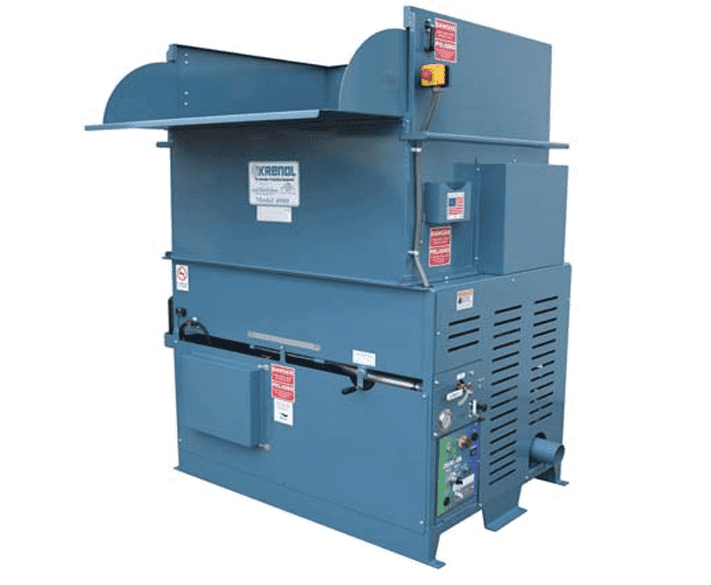
Choosing the right insulation machine is one of the most important decisions an insulation contractor can make. The equipment you use can change how quickly you finish jobs, how even your coverage is, and how long your tools last. Whether you’re installing fiberglass or cellulose, this guide will help you understand each machine type and how to choose the best one for your work.
Why the Right Insulation Machine Matters
A well-chosen insulation machine keeps your jobs running smoothly from start to finish. It affects productivity, consistency, and even customer satisfaction.
- The right size machine finishes projects faster with less effort
- Material compatibility ensures better performance and fewer jams
- Versatile systems let you work with multiple insulation types
- Reliable suppliers offer support, service, and training
When your machine fits your workload, you can take on more projects confidently and deliver professional results every time.
Types of Fiberglass and Cellulose Insulation Machines
1. Blowers and Air Movers
Blowers are the core of any insulation machine. They create steady airflow that pushes insulation material through the hose and into the installation area. Because of their power and reliability, they’re ideal for large attic or open-blow applications. Choosing a blower with the right air volume and motor strength makes each job more efficient.
2. Vacuum and Recovery Machines
Vacuum systems help remove old or damaged insulation before new material is installed. In addition, they make cleanup faster and safer. Since these machines handle large volumes of material, they save time on restoration or retrofit projects.
3. Hybrid and Turnkey Fiber Rigs
Hybrid rigs combine blowers, vacuums, and power systems into one trailer or box unit. They are perfect for contractors who need flexibility. For example, if you handle both fiberglass and cellulose work, a hybrid setup can switch easily between materials without extra equipment.
4. Shredders and Material Preparation Units
Cellulose insulation often comes in dense bales that need to be broken down. Shredders loosen the material so it can be blown evenly. Many insulation machines include this feature, which reduces prep time and increases consistency across each job.
5. Accessory Modules and Nozzles
Accessories such as wall cavity nozzles, hose reels, and control panels make installation easier. They also improve accuracy and reduce fatigue. As a result, upgrading your accessories can make your insulation machine even more efficient over time.
How to Choose the Best Insulation Machine
Match to Project Type
Each job requires a different setup:
- Attic installations need high-output blowers for longer hose runs
- Wall cavities require steady airflow for dense-pack precision
- Removal work benefits from durable vacuum systems
- Contractors with mixed work may prefer hybrid rigs
Check Material Compatibility
Before purchasing, make sure your insulation machine can handle both fiberglass and cellulose. While many models do, confirming compatibility ensures smoother operation and longer machine life.
Choose the Right Power Source
Gas-powered machines offer great mobility for remote sites. However, electric units are quieter and often better for indoor work. In addition, hybrid rigs that include generators are ideal when you want a complete, portable solution.
Consider Hose Length and Airflow
The longer the hose, the more power your insulation machine will need to maintain airflow. Because of this, it’s important to choose a unit with enough pressure and motor strength to support your typical job distance.
Evaluate Support and Service
Choosing a reliable supplier is just as important as choosing the right equipment. When you buy from a trusted partner, you gain access to technical support, training, and replacement parts. Therefore, your machine stays in top shape longer and downtime stays low.
Think Long-Term Value
When comparing machines, don’t focus only on the purchase price. Instead, look at the total cost of ownership. That includes:
- Maintenance and repair needs
- Fuel or energy use
- Expected lifespan
- Ease of future upgrades
By thinking ahead, you invest in equipment that will grow with your business.
FAQs
Q1: Can one insulation machine handle both fiberglass and cellulose?
Yes. Many professional-grade insulation machines can handle both materials. However, always check the product details to confirm compatibility before use.
Q2: Does Spray Foam Systems offer financing for insulation machines?
Yes. Financing options are available to make purchasing easier and to help contractors manage costs over time.
Q3: Is training available when buying an insulation machine?
Yes. Spray Foam Systems provides hands-on training and ongoing support, so you can operate your machine safely and confidently.
About Spray Foam Systems
Spray Foam Systems is the #1 spray foam rig builder and spray foam equipment supplier in the United States. Family-owned and proudly serving the industry since 2007, we operate from a 7-acre campus with over 80,000 square feet of dedicated working space in Greensboro, GA. With over 10,000 customers served over the last 18 years, we specialize in delivering high-quality turnkey spray foam systems, distributing top-tier equipment and supplies, and providing nationwide service and training to help contractors grow and succeed in the spray foam insulation and roofing markets.