


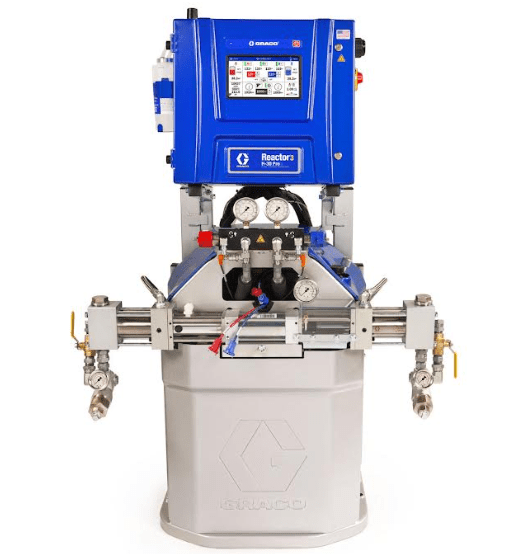
A hydraulic-driven spray foam insulation machine works hard on every job. Because of that, small issues can turn into major downtime if they are ignored. Routine inspections and planned service help protect performance, extend equipment life, and keep production steady.
Why Hydraulic Maintenance Matters
Hydraulic drive systems rely on clean fluid, sealed connections, and balanced pressure. When one part starts to fail, the entire spray foam insulation machine can suffer. As a result, output consistency drops and wear increases across pumps, motors, and valves.
What to Inspect Before Every Job
Daily inspections are your first line of defense. A quick walk-around often reveals problems early, before they stop production.
Focus on:
- Hydraulic hoses and fittings for leaks or abrasion
- Pump and motor areas for dampness around seals
- Loose fasteners or vibrating components
- Spray gun condition and hose connections
Check Fluid Levels and Fluid Condition
Hydraulic fluid transfers power and controls heat. If the fluid breaks down, the spray foam insulation machine may overheat or lose pressure stability.
Look for:
- Proper hydraulic fluid level
- Dark or burnt-smelling oil
- Foaming or cloudiness
- Metallic particles that indicate internal wear
Monitor Heat and Pressure During Operation
Heat and pressure changes often signal developing problems. If the machine runs hotter than normal, seals and hoses can degrade faster. Pressure that drifts or spikes can point to flow restrictions or worn components.
Warning signs include:
- Sluggish response under load
- Unusual hydraulic noise
- Hot hydraulic lines or reservoir
- Pressure that will not remain steady
Keep the Hydraulic System Clean
Contamination is one of the most common causes of hydraulic failure. Dirt enters during fluid changes, filter service, or through damaged breathers. Once inside, it accelerates wear throughout the spray foam insulation machine.
Good habits include:
- Cleaning around fill caps before opening
- Using clean containers and funnels
- Inspecting breathers regularly
- Storing spare parts in sealed packaging
Service Filters and Strainers on Schedule
Filters protect critical hydraulic components. When a filter clogs, fluid flow drops and heat builds quickly.
Maintenance best practices:
- Check filter indicators during operation
- Replace filters at recommended intervals
- Inspect suction strainers during scheduled service
- Shorten intervals in dusty or high-use conditions
Replace Hoses and Fittings Before Failure
Hydraulic hoses rarely fail without warning. Replacing them early avoids dangerous blowouts and downtime.
Replace components showing:
- Cracks, bulges, or stiffness
- Leaks near crimps or fittings
- Excessive rubbing or exposed reinforcement
- Fittings that no longer seal tightly
A tight system supports consistent performance from the spray foam insulation machine.
Stock Common Seals and Wear Items
Seals and O-rings wear naturally from pressure and heat. When they start to fail, leaks increase and performance drops.
Common items to keep on hand:
- Seal kits and O-rings
- Check valve components
- Pressure relief valve parts
- Spray gun wear components
Monthly and Quarterly Service Checks
Scheduled deep service helps catch hidden issues. It also improves long-term reliability and efficiency.
These checks often include:
- Inspecting pump and motor mounts
- Checking alignment and vibration
- Cleaning the reservoir breather
- Reviewing logs for repeat issues
How Hydraulic Systems Compare to Other Drive Types
Hydraulic-driven machines provide strong torque and steady output. However, they depend heavily on fluid quality and filtration. When maintained properly, a hydraulic spray foam insulation machine delivers smooth, reliable performance across demanding jobs.
Use Maintenance Logs to Reduce Downtime
Tracking maintenance helps crews spot patterns and prevent repeat failures. Logs also simplify troubleshooting.
Record:
- Fluid changes and top-offs
- Filter replacements
- Repairs and leak locations
- Pressure and temperature observations
Parts and Service Support
Keeping spare parts on hand shortens downtime when issues arise. If pressure instability, heat buildup, or leaks continue, contact Spray Foam Systems for parts guidance and service support to keep your spray foam insulation machine running reliably.
FAQs
How often should hydraulic hoses be inspected?
Hoses should be inspected daily before spraying. Replace them immediately if cracking, abrasion, or leaks appear.
What causes pressure instability in a spray foam insulation machine?
Dirty fluid, clogged filters, worn seals, and failing valves are common causes of pressure fluctuation.
Which spare parts help reduce downtime the most?
Filters, seal kits, hose fittings, and spray gun wear parts help crews return a spray foam insulation machine to service quickly.
About Spray Foam Systems
Spray Foam Systems is the #1 spray foam rig builder and spray foam equipment supplier in the United States. Family-owned and proudly serving the industry since 2007, we operate from a 7-acre campus with over 80,000 square feet of dedicated working space in Greensboro, GA. With over 10,000 customers served over the last 18 years, we specialize in delivering high-quality turnkey spray foam systems, distributing top-tier equipment and supplies, and providing nationwide service and training to help contractors grow and succeed in the spray foam insulation and roofing markets.