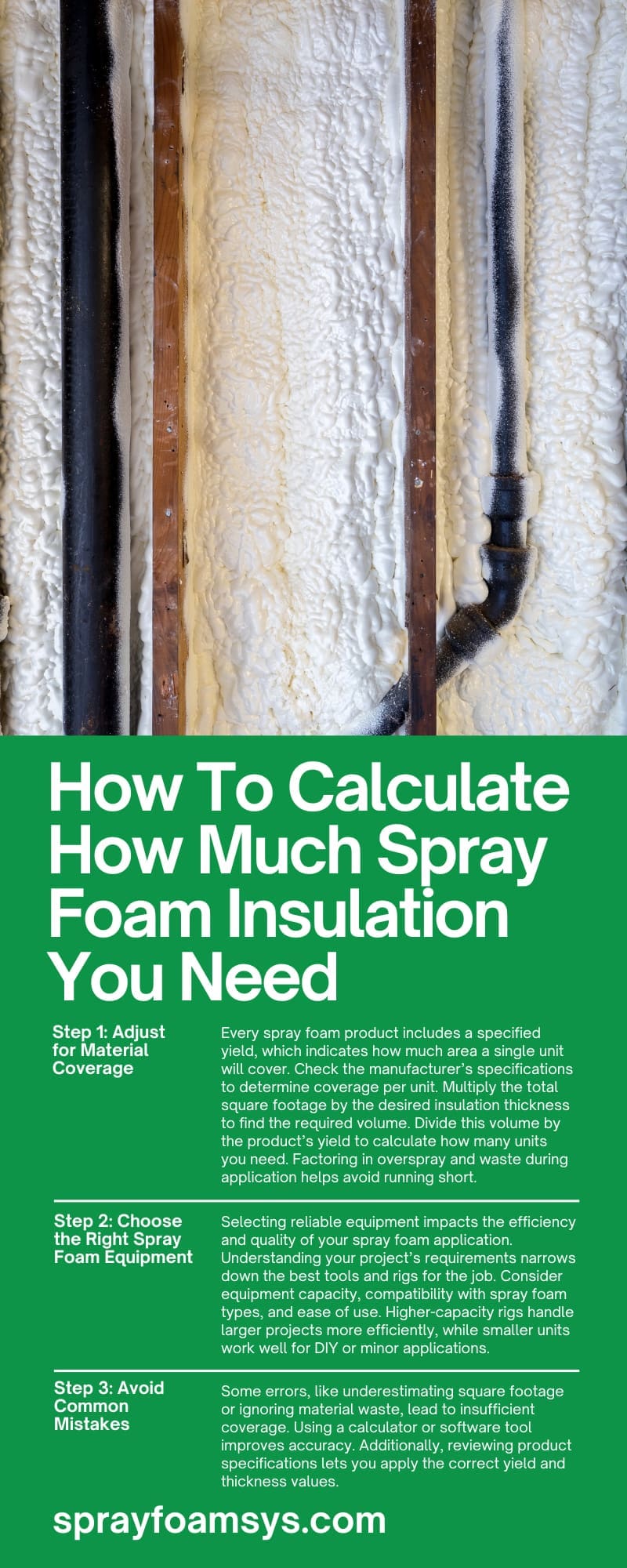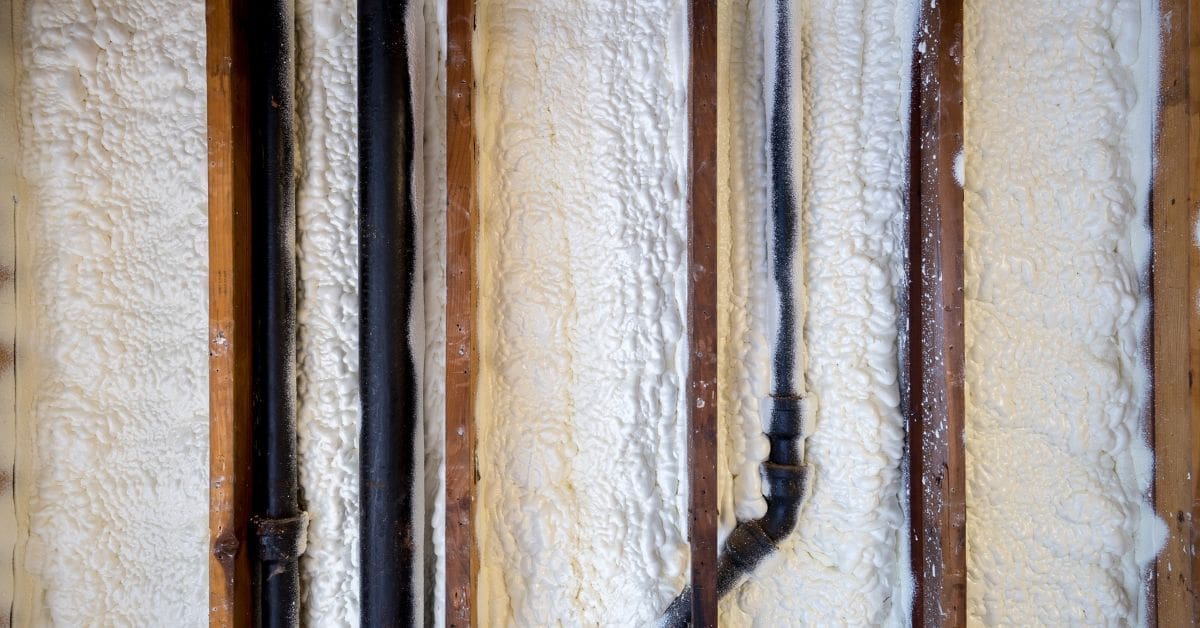
Accurate calculations for spray foam insulation save money, reduce waste, and improve energy efficiency. By following a few straightforward steps, anyone can determine the amount of spray foam insulation required for their project. With the right tools, preparation, and understanding of key concepts, achieving an effective, cost-efficient installation becomes much easier.
Understanding Spray Foam Insulation Basics
Spray foam insulation is a powerful solution for sealing gaps, reducing energy loss, and improving indoor comfort. The material expands to fill spaces and forms an airtight seal, making it ideal for a variety of applications. Open-cell and closed-cell are the two main types of spray foam insulation, each offering distinct benefits.
Open-cell spray foam creates a soft, flexible barrier. Its lightweight structure makes it affordable and suitable for interior spaces. The material absorbs sound effectively, providing noise reduction as an added benefit. Although it offers less insulation power than closed-cell foam, open-cell works well in less demanding environments.
Closed-cell spray foam, on the other hand, offers a denser, more rigid option. Its higher R-value enhances energy efficiency, and its moisture resistance makes it suitable for areas prone to dampness. Closed-cell insulation excels in both residential and commercial settings, especially when you need additional structural reinforcement.
Key Benefits of Spray Foam Insulation
Spray foam insulation offers long-term savings by reducing heating and cooling costs. Its ability to seal air leaks prevents drafts and maintains indoor temperatures more effectively than traditional materials. Additionally, the durable nature of spray foam minimizes maintenance and repair needs over time. Beyond energy efficiency, spray foam improves air quality by reducing the infiltration of allergens and pollutants.
Preparing To Calculate Spray Foam Insulation Needs
Accurate measurements form the foundation for determining how much spray foam you require. Using tools like a tape measure, calculator, and notepad simplifies the process. Assessing the area thoroughly helps you apply the correct amount of insulation, minimizing waste and maximizing efficiency.
Measuring Square Footage
Measure the height and width of each wall, ceiling, or other surface requiring insulation. Multiply the height by the width to calculate the square footage for each section.
Write down each result and add them together to find the total square footage. Include doors and windows in your calculations if these areas require insulation. Double-check measurements to avoid underestimating or overestimating material needs.
Consider using laser measuring tools for accuracy in larger spaces. For irregularly shaped areas, break them into smaller, measurable sections, calculating their total square footage separately.
Determining Insulation Thickness
Insulation thickness directly affects material requirements and performance. Check local building codes or consult industry guidelines to determine the recommended thickness for your project. Different climates and building types may require varying thickness levels. Consider the R-value needed to meet energy efficiency goals when selecting the thickness.
When preparing for installation, identify specific areas that might require additional insulation, such as corners, joints, or spaces near pipes and electrical wiring. Knowing how to calculate how much spray foam insulation you need requires accurate measurements and material specifications.
Steps To Calculate Spray Foam Insulation Needs
Step 1: Adjust for Material Coverage
Every spray foam product includes a specified yield, which indicates how much area a single unit will cover. Check the manufacturer’s specifications to determine coverage per unit. Multiply the total square footage by the desired insulation thickness to find the required volume. Divide this volume by the product’s yield to calculate how many units you need. Factoring in overspray and waste during application helps avoid running short.
Step 2: Choose the Right Spray Foam Equipment
Selecting reliable equipment impacts the efficiency and quality of your spray foam application. Understanding your project’s requirements narrows down the best tools and rigs for the job. Consider equipment capacity, compatibility with spray foam types, and ease of use. Higher-capacity rigs handle larger projects more efficiently, while smaller units work well for DIY or minor applications.
Compatibility with open- or closed-cell spray foam ensures that the equipment delivers the desired results. User-friendly features like intuitive controls and lightweight designs simplify the application process. At Spray Foam Systems, you can find the perfect spray foam rig that arrives fully assembled and ready to use. These rigs save time and effort, making them a great choice for professionals.
Step 3: Avoid Common Mistakes
Some errors, like underestimating square footage or ignoring material waste, lead to insufficient coverage. Using a calculator or software tool improves accuracy. Additionally, reviewing product specifications lets you apply the correct yield and thickness values.
Focusing on accurate measurements and material needs strengthens the connection to successful insulation planning. When determining material requirements, you must know how much spray foam insulation you need, as precision at this stage lays the groundwork for effective results.
Accurately calculating spray foam insulation requirements may seem challenging at first, but breaking it down into steps makes it more manageable. With the right information and equipment, any homeowner or professional can achieve energy-efficient results and long-term savings.
At Spray Foam Systems, we provide tools and guidance to support successful insulation projects. Our team helps customers choose the right equipment while offering advice tailored to specific needs. Reaching out for expert assistance simplifies the process and reduces the risk of errors.
Final Tips for Accurate Calculations
Taking time to review all material requirements and comparing them against project goals helps you avoid errors, but there’s more you can do. We put together this foolproof list of handy tips for your perusal:
- Measure all surfaces twice to confirm accuracy.
- Create diagrams or sketches to map out insulation areas for additional clarity during the planning stage.
- Use a dedicated notebook or app to track calculations and materials.
- Verify product specifications directly with manufacturers for clarity.
- Document your calculations one step at a time so you can easily and efficiently make adjustments or changes if necessary.
- Allocate additional materials for unexpected coverage needs.
- Plan for environmental factors, such as temperature, which may affect foam expansion.
- Seek advice from professionals or consult manufacturer guidelines for valuable insights that align with your specific needs.