


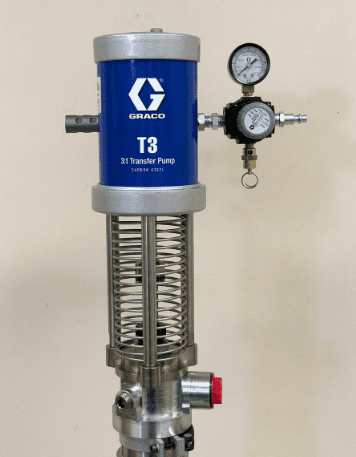
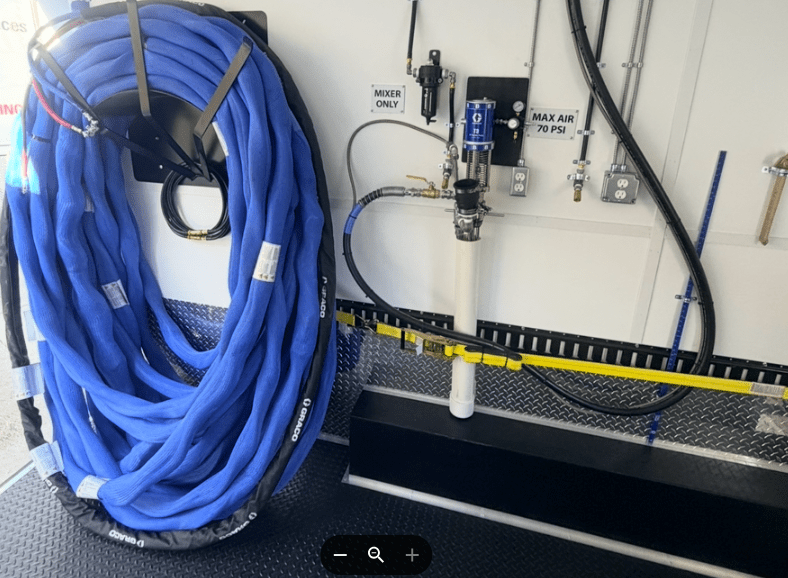
Spray foam contractors rely on dependable equipment to keep jobs moving and projects profitable. When a transfer pump stops working correctly, the entire spray foam insulation rig can experience performance problems, downtime, or inconsistent material delivery. Understanding how to troubleshoot common Graco T3 transfer pump issues helps contractors keep their spray foam insulation rig operating efficiently.
The Graco T3 transfer pump is widely used in many spray foam insulation rig setups because it reliably moves material from drums to the proportioner. However, like any mechanical component, it can experience wear, air issues, or supply problems that affect production. Knowing the symptoms and solutions helps crews quickly restore performance.
Understanding the Role of the Graco T3 Transfer Pump in a Spray Foam Insulation Rig
Transfer pumps are essential to the operation of a spray foam insulation rig. They move the A-side and B-side chemicals from their drums into the proportioner so the system can heat, mix, and spray material properly.
A properly functioning pump ensures:
- Consistent chemical supply to the proportioner
- Stable pressure throughout the spray foam insulation rig
- Reduced risk of cavitation or material starvation
- Reliable spray patterns and foam quality
When the transfer pump struggles to move material, the entire spray foam insulation rig can suffer from poor foam output, pressure fluctuations, or system shutdowns.
Common Graco T3 Transfer Pump Problems
Several issues can affect the performance of a transfer pump in a spray foam insulation rig. Most problems fall into a few predictable categories.
Loss of Prime
Loss of prime is one of the most common issues contractors experience.
Signs include:
- Pump cycling without material movement
- Air bubbles in supply lines
- Inconsistent chemical delivery
Possible causes include:
- Loose drum connections
- Air entering the suction line
- Empty or nearly empty drums
- Damaged seals or o-rings
Fixing the issue often requires checking all fittings, tightening connections, and ensuring the suction tube remains fully submerged in material.
Slow Pump Operation
If the pump cycles slowly, the spray foam insulation rig may struggle to maintain consistent chemical flow.
Common causes include:
- Low air pressure to the pump
- Restricted supply lines
- Material buildup inside the pump
- Worn internal components
Checking the air regulator and inspecting supply lines can often resolve this issue quickly.
Pump Stalling
A stalled transfer pump can completely stop material flow to the spray foam insulation rig.
Potential causes include:
- Debris or cured material inside the pump
- Internal seal wear
- Air motor issues
Routine cleaning and rebuild kits help prevent this problem from developing during production.
Air Supply Issues That Affect Transfer Pumps
Air supply plays a critical role in pump performance. If the air compressor or air lines feeding the pump experience issues, the spray foam insulation rig may experience reduced chemical flow.
Technicians should inspect:
- Air regulators and gauges
- Moisture in air lines
- Air filters and dryers
- Compressor output levels
Maintaining clean, dry air helps ensure transfer pumps operate consistently across the entire spray foam insulation rig.
Preventative Maintenance for Graco T3 Transfer Pumps
Preventative maintenance is the best way to avoid transfer pump problems. Contractors who perform routine checks often experience fewer interruptions in their spray foam insulation rig operations.
Recommended maintenance steps include:
- Inspect seals and o-rings regularly
- Flush pumps when switching materials
- Clean suction tubes and strainers
- Check air supply pressure before spraying
- Replace worn rebuild components as needed
Keeping spare rebuild kits on the truck can also help crews restore their spray foam insulation rig quickly if a pump begins to fail on a jobsite.
How Transfer Pump Problems Affect Foam Quality
When a transfer pump fails to deliver consistent material, the proportioner cannot maintain the correct ratio. As a result, foam quality can suffer.
Possible outcomes include:
- Off-ratio foam
- Soft or brittle insulation
- Poor adhesion
- Inconsistent expansion
Because of this, maintaining reliable transfer pumps is critical for the overall performance of a spray foam insulation rig.
When It’s Time to Rebuild or Replace a Pump
Over time, internal pump components wear down from chemical exposure and daily use. If troubleshooting does not restore performance, rebuilding or replacing the pump may be necessary.
Contractors should consider service when:
- The pump repeatedly loses prime
- Air consumption increases significantly
- Material leaks from seals
- Pump cycles become erratic
A properly maintained transfer pump helps ensure the spray foam insulation rig delivers consistent foam output and professional installation results.
FAQs
What does a transfer pump do in a spray foam insulation rig?
A transfer pump moves A-side and B-side chemicals from drums to the proportioner. Without it, the spray foam insulation rig cannot deliver material consistently to the spray gun.
Why does my spray foam insulation rig lose material pressure during spraying?
Pressure drops often occur when a transfer pump loses prime, the air supply drops, or the pump cannot keep up with material demand.
How often should a Graco T3 transfer pump be serviced on a spray foam insulation rig?
Service intervals depend on usage, but many contractors inspect pumps weekly and perform rebuilds periodically to maintain reliable spray foam insulation rig performance.
About Spray Foam Systems
Spray Foam Systems is the #1 spray foam rig builder and spray foam equipment supplier in the United States. Family-owned and proudly serving the industry since 2007, we operate from a 7-acre campus with over 80,000 square feet of dedicated working space in Greensboro, GA. With over 10,000 customers served over the last 18 years, we specialize in delivering high-quality turnkey spray foam systems, distributing top-tier equipment and supplies, and providing nationwide service and training to help contractors grow and succeed in the spray foam insulation and roofing markets.