


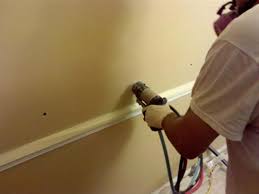
Installing spray foam in existing walls is one of the most effective ways to upgrade insulation without major reconstruction. Homeowners often want better comfort, improved energy performance, and reduced noise, and spray foam in existing walls delivers all three. Contractors can complete the work with selective access points, professional equipment, and proper materials that fill wall cavities without the need to remove all interior finishes.
Understanding the process, equipment choices, and preparation steps helps ensure clean installation and long-lasting results. Because spray foam in existing walls behaves differently than open framing applications, it requires attention to detail to avoid gaps and maintain consistent density.
Preparing the Wall for Spray Foam Installation
When installing spray foam in existing walls, the first step is identifying cavity locations and access points. Contractors usually remove small sections of drywall or create drill-and-fill openings to reach each stud bay. Clear communication with the homeowner helps set expectations about patchwork and finish repairs after the insulation work.
Moisture checks, wiring inspections, and locating plumbing lines are also important. These steps reduce surprises and help ensure the spray foam in existing walls adheres correctly to the internal surfaces.
Choosing the Right Materials and Equipment
Different project sizes may require proportioners, spray guns, and specialty tips that control foam flow. Many contractors rely on durable spray gun parts and accessories to manage tight access areas inside wall cavities. Smaller pattern tips, long barrel guns, and controlled output settings help prevent overfilling and ensure consistent coverage.
Whether using open-cell or closed-cell spray foam in existing walls, the material choice influences air sealing, R-value, and sound control. Closed-cell foam offers better structural strength, while open-cell provides excellent expansion for filling irregular spaces.
Installation Steps Contractors Commonly Follow
After preparing access points and equipment, installers start injecting spray foam in existing walls from the bottom of each cavity and work upward. This approach helps reduce voids and ensures the foam expands evenly. Short, controlled bursts let the foam grow without creating pressure pockets behind the drywall.
Contractors monitor foam rise carefully and verify that each cavity is fully filled. Because spray foam in existing walls expands aggressively, pacing is crucial to avoid bulging or uneven surfaces.
Benefits of Spraying Existing Walls
Upgrading insulation using spray foam in existing walls provides better energy efficiency, reduced drafts, and long-term stability. The material air-seals gaps that fiberglass or cellulose cannot reach in older buildings. Improved sound control and moisture resistance also add value for homeowners.
Unlike full wall replacement, this method allows contractors to enhance performance while minimizing disruption. When installed correctly, spray foam in existing walls supports consistent indoor temperatures and improves overall home comfort.
Cleanup and Post-Installation Considerations
After all cavities are filled, installers trim excess foam and prepare the wall for patching. Drywall repair, sanding, and repainting follow as part of the finishing process. Contractors verify each cavity reached complete expansion before closing the wall.
Removing jobsite debris and cleaning spray gun parts helps ensure equipment stays reliable for future insulation projects. Good cleanup practices also reduce downtime between jobs.
Before the FAQs: Contact Spray Foam Systems
Contractors needing spray guns, replacement tips, or accessories for projects involving spray foam in existing walls can reach out to Spray Foam Systems for support and product guidance.
FAQs
How do contractors install spray foam in existing walls without removing all the drywall?
They create small access holes or remove limited drywall sections to inject foam into each cavity. This allows installation with minimal disruption to the structure.
Is open-cell or closed-cell foam better for existing wall projects?
Both work, but open-cell expands more for filling irregular voids, while closed-cell provides higher R-value and added rigidity.
Can spray foam in existing walls improve sound performance?
Yes. The foam reduces sound transfer by sealing gaps and creating a continuous, dense barrier within the wall assembly.
About Spray Foam Systems
Spray Foam Systems is the #1 spray foam rig builder and spray foam equipment supplier in the United States. Family-owned and proudly serving the industry since 2007, we operate from a 7-acre campus with over 80,000 square feet of dedicated working space in Greensboro, GA. With over 10,000 customers served over the last 18 years, we specialize in delivering high-quality turnkey spray foam systems, distributing top-tier equipment and supplies, and providing nationwide service and training to help contractors grow and succeed in the spray foam insulation and roofing markets.