



Buying used spray foam insulation rigs can feel like a smart shortcut until you realize the hour meter tells only part of the story. Idle time, heat-up cycles, poor maintenance, and hard running conditions can age equipment faster than the number suggests.
When you approach evaluating hour meters on used spray foam equipment with the right checks and the right questions, you can spot red flags early and feel confident about what you’re actually buying.
What an Hour Meter Can Tell You
Rig hours are a starting point, not a verdict. An hour meter gives you a snapshot of how long a major component has been powered or running, depending on how it’s wired. Some rigs track engine runtime on the generator, some track compressor hours, and others track proportioner runtime.
Hours vs. Wear: Why the Number Is Only a Clue
A low reading can still hide heavy wear if the rig spent those hours under high load, high heat, or inconsistent power. A higher reading can still be a solid buy if the owner maintained it well and ran it within proper operating ranges. You get the real picture when you connect the number to operating habits, job types, and service history, instead of letting the meter do all the talking.
Meter Type and Wiring
Ask what the meter is tied to. If it tracks generator hours, it may include long periods of idle while crews masked, moved ladders, or waited on inspections. If it tracks the proportioner pump run time, it may reflect more direct spraying activity. If the seller can’t explain what the meter measures, treat the number as a rough estimate until you verify it through documentation.
Red Flags to Look For
Inconsistent labeling, a meter that appears newer than the surrounding components, or missing documentation can signal a replacement. That does not automatically mean fraud, but it does mean you should tighten your inspection. A replaced meter can be legitimate after a repair or rebuild, yet you still need a paper trail to understand total hours and the reason for the change.
How Spray Foam Insulation Rig Hours Add Up
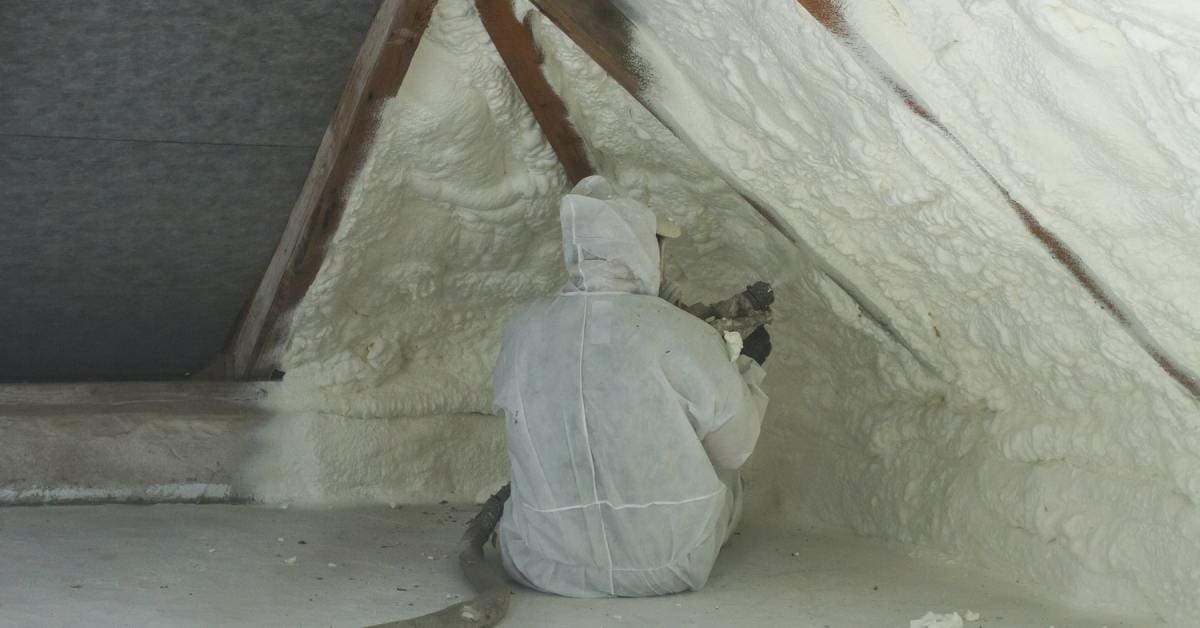
Not all hours carry the same stress. Spray foam rigs accumulate time during warm-up, spraying, idle, and shutdown cycles, and each phase affects components differently.
Warm-Up Cycles
Heat-up time can be hard on systems, especially if crews run the rig long before spraying or struggle with cold material. Repeated warm-up cycles add hours of time with little production value, yet still stress heaters, sensors, wiring, and the generator. If the seller worked in colder conditions, ask how they managed material temperature and whether they insulated or conditioned drums to reduce heat strain.
Idle Time
Many crews run a generator while they prep the space, stage hoses, or handle cleanup. Those idle hours still count if the meter tracks generator run time. When a rig shows higher hours, ask how much of those hours were spent idling versus spraying. A rig that idles heavily may show less proportioner wear, but more wear on the generator, fuel system, and electrical output components.
Spraying Hours
Even “spray time” can mean different things. Some jobs involve short bursts of trigger time and long pauses, while others require sustained spraying. Sustained production demands steady heat, stable pressure, and constant air supply. If the seller describes frequent large jobs, the same hour count usually means more wear than a rig used for occasional residential work and smaller touch-ups.
Cross-Checks That Help Validate
You don’t need to rely solely on the meter. You can validate their claims by looking for wear signals across the rig.
Generator and Compressor Condition
Inspect the generator and compressor closely, as they typically show clear wear. Look for oil leaks, excessive soot, corroded terminals, and noisy operation. Check belts, mounts, and vibration marks. A generator that claims low hours should not look heavily heat-cycled, patched together, or neglected, especially around wiring and exhaust areas.
Hoses, Gun Parts, and Fittings
Hose condition reflects how the rig lived. Inspect hose jackets for cracking, flat spots, abrasions, and heat damage. Check fittings for leaks, rounded edges, and worn seals. Examine the spray gun and ask about its rebuild frequency. A rig with low hours but constant gun rebuilds can point to harsh operating conditions, contamination issues, or inconsistent temperature management.
Electrical Panels and Wiring
Open access panels where safe and inspect wiring conditions. Look for heat discoloration, brittle insulation, and sloppy splices. Frequent electrical issues often leave evidence behind. A clean, organized electrical setup usually aligns with an owner who cares about reliability and handles maintenance before small issues become job-stopping problems.
How to Evaluate Hour Meters During Inspection
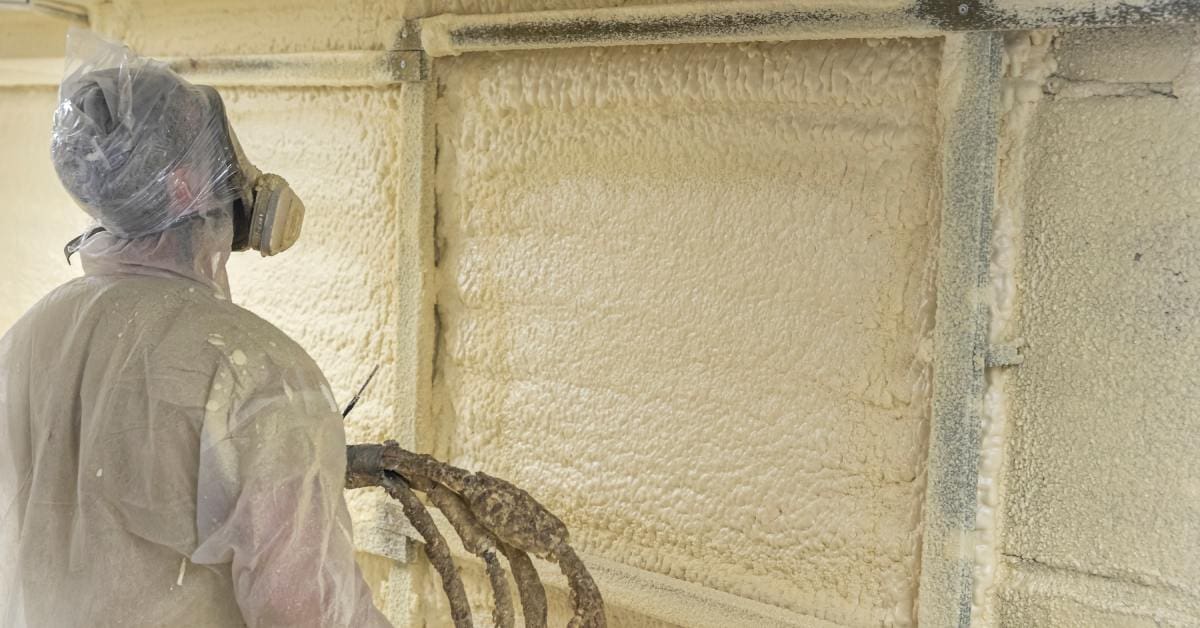
An on-site inspection turns the conversation into evidence. You’re not just checking cleanliness. You’re verifying that the rig starts, heats, pressures up, and holds stable operation.
Verify the Meter Works and the Rig Starts Cleanly
Watch the start-up process from cold if possible. The rig should start without unusual hesitation, and the hour meter should behave consistently. Check for flickering displays, loose mounting, or reset behavior. If the meter resets when you move wiring or tap the panel, you may be dealing with a wiring issue or a poorly installed replacement.
Watch Warm-Up Time and Temperature Stability
Warm-up behavior reveals the health of the heater and sensor. Slow heat-up can signal heater issues, sensor problems, or power limitations. Once the system reaches the target temperature, watch whether it holds steady. Temperature instability can affect foam quality, increase downtime, and force crews into stop-start cycles that make jobs harder to manage.
Check Pressure Stability and Operation Under Load
If possible, observe the rig pressurize and cycle under realistic conditions. Pressure should rise smoothly and hold predictably. Listen for unusual pump noises and watch for spikes or drops. Instability can indicate restrictions, worn components, or underlying maintenance issues that the hour meter will never reveal.
A Confident Buying Routine
Used spray foam insulation rigs can be a strong investment when you evaluate them like a system. Hours help, but condition, records, and performance under test matter more. When you ask the right questions, cross-check the story against the equipment, and run the rig through a realistic inspection, you turn uncertainty into a decision you can stand behind.
Evaluating hour meters on used spray foam equipment works best when you treat the hour reading as one tool in a larger routine that protects your budget and your production days.
Explore our used spray foam insulation rigs at Spray Foam Systems! If you want equipment that supports steady heat, stable pressure, and dependable jobsite performance, you can find a rig that fits your workload without guessing what you’re getting. Reach out today! Let’s talk through your needs and help you get matched with a setup that keeps your crew productive.