


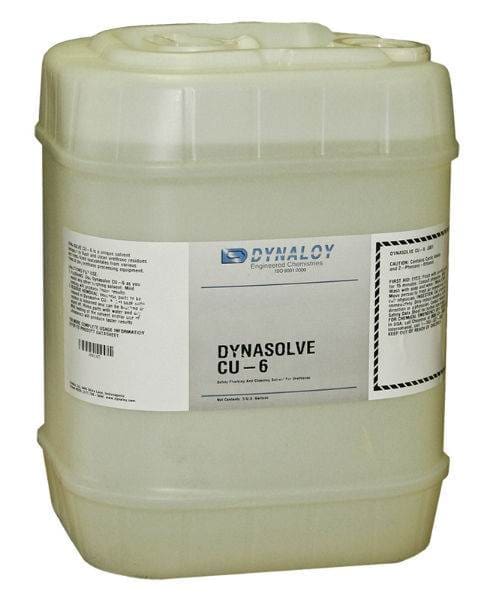
Removing spray foam after it cures often causes costly surface damage when people rush the process or choose the wrong solvent. Contractors and DIY users frequently scratch windows, gouge trim, or stain finishes by scraping too aggressively. However, when users understand common spray foam removal mistakes and rely on a cured expanding foam remover, they protect surfaces and improve cleanup results.
Because cured spray foam bonds permanently, removal requires patience, proper technique, and the correct solvent. Otherwise, even small cleanup jobs can lead to repairs.
Why Spray Foam Removal Goes Wrong
Many removal problems start when users treat cured foam like uncured material. For example, scraping or grinding hardened foam often damages the surface underneath. Likewise, generic cleaners fail to break down cured material. Instead, a cured expanding foam remover softens the foam first, which allows safer and more controlled removal.
Mistake One: Aggressive Scraping and Cutting
Many people reach for knives, chisels, or metal scrapers when they see cured foam. While these tools remove bulk material, they often cause permanent surface damage.
Common problems include:
- Scratched glass and metal
- Gouged wood and finished trim
- Torn coatings and protective layers
Instead, using a cured expanding foam remover reduces force and helps prevent surface damage.
Mistake Two: Using the Wrong Solvent
Household cleaners and harsh chemicals do not break down cured spray foam effectively. As a result, users often scrub harder, which increases damage. In addition, these products can discolor or weaken surfaces.
A cured expanding foam remover targets hardened foam directly, which makes removal safer and more predictable.
Mistake Three: Rushing the Removal Process
Many users rush foam removal because they want fast results. However, cured foam needs time to soften before removal.
When users allow a cured expanding foam remover proper dwell time:
- The foam breaks down more evenly
- Residue decreases
- Scraping effort drops significantly
As a result, cleanup becomes faster and safer.
Cured Spray Foam Solvents Available from Spray Foam Systems
Spray Foam Systems carries solvents specifically intended for hardened and fully cured foam. Because each product targets a different cured condition, choosing the right solvent matters.
Cured Expanding Foam Removers
A cured expanding foam remover serves as the primary solution for hardened foam on finished surfaces.
These products remove:
- Fully cured expanding foam
- Hardened foam from windows and doors
- Cured foam on metal, wood, and trim
- Overspray missed during application
Because cured expanding foam remover products soften the foam structure, they reduce aggressive scraping and help protect underlying surfaces.
Advanced Solvents for Cured and Crystallized Foam Residue
Some cured foam situations involve chemically bonded or crystallized material. In these cases, stronger solvent action becomes necessary.
These solvents address:
- Crystallized isocyanates
- Hardened resin buildup
- Fully reacted foam residue on equipment or hard surfaces
Products in this category include:
When standard cured expanding foam remover products fall short, these solvents provide deeper breakdown.
Surface-Safe Solvents for Cured Foam Cleanup
Certain cured foam solvents focus on sensitive or finished materials.
They work well on:
- Glass and window frames
- Painted or finished trim
- Plastic and coated components
Products in this category include:
- NMP Solvent
- Surface-safe cured foam removal solutions
Although these products protect finishes, users should always test first.
Safety and Personal Protective Equipment Considerations
Removing cured spray foam involves chemical exposure risks. Therefore, proper safety practices matter, even when using a cured expanding foam remover.
Recommended precautions include:
- Wearing chemical-resistant gloves
- Using safety glasses or goggles
- Ensuring proper ventilation
- Avoiding prolonged skin contact
- Following all product label instructions
By using appropriate PPE, users reduce health risks and complete removal safely.
How a Cured Expanding Foam Remover Helps Prevent Damage
A cured expanding foam remover loosens the foam bond instead of tearing it away. Consequently, removal becomes more controlled and predictable.
Key benefits include:
- Less aggressive scraping
- Reduced surface damage
- Cleaner results
- Faster overall cleanup
Because the remover works chemically rather than mechanically, it helps avoid costly repairs.
Best Practices for Using a Cured Expanding Foam Remover
First, test the remover on a small area. Next, apply it evenly and allow it to dwell as directed. Then, remove softened foam using non-abrasive tools.
If foam remains, repeat the process instead of applying more force. This approach protects the surface and improves results.
FAQs
What is the safest way to remove cured spray foam?
Using a cured expanding foam remover softens the foam first, which reduces surface damage.
Can cured expanding foam remover be used on windows and trim?
Yes. However, users should always test a small area before full application.
Will scraping still be required after using a remover?
Yes, but light scraping usually works because a cured expanding foam remover reduces resistance.
About Spray Foam Systems
Spray Foam Systems is the #1 spray foam rig builder and spray foam equipment supplier in the United States. Family-owned and proudly serving the industry since 2007, we operate from a 7-acre campus with over 80,000 square feet of dedicated working space in Greensboro, GA. With over 10,000 customers served over the last 18 years, we specialize in delivering high-quality turnkey spray foam systems, distributing top-tier equipment and supplies, and providing nationwide service and training to help contractors grow and succeed in the spray foam insulation and roofing markets.