


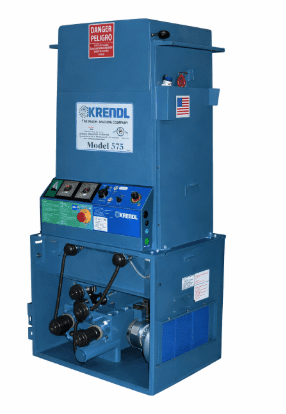
A cellulose insulation machine is one of the most important investments an insulation contractor can make. Proper maintenance protects performance, extends equipment life, and helps prevent costly downtime on the jobsite. With routine care and a clear understanding of machine types, contractors can keep a cellulose insulation machine operating efficiently for years.
Because cellulose insulation machines process abrasive fiber material, consistent upkeep plays a major role in airflow, material consistency, and long-term reliability. Maintenance needs also vary based on output level and daily workload.
Why Proper Maintenance Matters
Every cellulose insulation machine relies on steady airflow, proper agitation, and controlled material delivery. When dust buildup or worn components interrupt that balance, performance drops quickly.
Routine maintenance helps contractors:
- Maintain consistent material flow
- Prevent hose blockages
- Reduce motor and blower strain
- Improve insulation density control
- Extend the lifespan of a cellulose insulation machine
Daily Maintenance Best Practices
Daily maintenance is the foundation of long-term performance. These checks should be completed before or after every job.
Recommended daily tasks include:
- Inspect hoses for cracks, soft spots, or fiber buildup
- Clean air filters and remove loose material
- Clear the hopper and agitator area after use
- Confirm electrical connections remain tight
- Test blast gates and airflow controls before operation
A clean cellulose insulation machine starts each job with better airflow and fewer interruptions.
Weekly and Monthly Maintenance Tasks
Beyond daily checks, scheduled weekly and monthly maintenance protects internal components and reduces wear.
Weekly maintenance should include:
- Lubricating bearings and moving parts
- Inspecting belts, chains, and pulleys for wear
- Listening for unusual blower or motor noise
Monthly maintenance should focus on:
- Deep cleaning internal airflow paths
- Inspecting motors for heat or dust buildup
- Tightening fasteners across the frame and hopper
- Reviewing electrical switches and control systems
These steps help ensure a cellulose insulation machine performs consistently under higher workloads.
Entry-Level Cellulose Insulation Machine Options
Entry-level machines are best suited for smaller crews, retrofit projects, and light residential work.
These cellulose insulation machines typically feature:
- Lower production output
- Compact and portable designs
- Simple controls and maintenance routines
- Shorter hose run capability
Because these machines operate at lower output levels, frequent cleaning and belt inspections are critical to maintaining consistent airflow.
Mid-Range Professional Cellulose Insulation Machine Options
Mid-range machines are designed for steady daily use and higher material demands.
These cellulose insulation machines often include:
- Increased airflow and material delivery
- Stronger agitation systems
- Support for longer hose runs
- Improved consistency for dense-pack applications
Due to higher production demands, these machines require regular lubrication, filter maintenance, and closer inspection of moving components.
High-Output Commercial Cellulose Insulation Machine Options
High-output machines are built for large-scale projects and continuous operation.
These cellulose insulation machines typically offer:
- Maximum production capacity
- Heavy-duty blowers and motors
- Large hoppers to reduce reload time
- Durable components designed for nonstop use
Because these machines operate under heavy load, strict maintenance schedules are essential to avoid downtime and extend service life.
Preventing Common Performance Issues
Most cellulose insulation machine problems result from skipped maintenance or poor cleaning habits.
Common issues include:
- Reduced airflow from clogged filters
- Uneven material feed caused by worn agitators
- Motor overheating from fiber accumulation
- Hose blockages due to moisture or debris
Addressing these issues early helps keep the cellulose insulation machine running efficiently and protects jobsite productivity.
Storage and Off-Season Care
Proper storage plays a key role in preserving a cellulose insulation machine during downtime.
- Store equipment in a dry, covered environment
- Remove all material from hoppers and hoses
- Disconnect power sources during extended storage
- Protect motors and electrical components from moisture
Off-season care ensures the cellulose insulation machine is ready when work resumes.
Ready to protect your investment and keep your cellulose insulation machine performing at its best? Spray Foam Systems offers expert maintenance guidance, equipment solutions, and professional in-house service support for contractors who need hands-on equipment care. Call to schedule service and bring your equipment into our service center when additional support is needed.
FAQs
How often should a cellulose insulation machine be serviced?
Basic inspections should be performed daily, with deeper servicing completed weekly and monthly depending on usage.
Do higher-output cellulose insulation machines require more maintenance?
Yes. Machines with higher production capacity typically experience more wear and require more frequent inspections.
Can proper maintenance improve insulation quality?
Yes. A well-maintained cellulose insulation machine delivers consistent airflow and material density, resulting in better overall installation quality.
About Spray Foam Systems
Spray Foam Systems is the #1 spray foam rig builder and spray foam equipment supplier in the United States. Family-owned and proudly serving the industry since 2007, we operate from a 7-acre campus with over 80,000 square feet of dedicated working space in Greensboro, GA. With over 10,000 customers served over the last 18 years, we specialize in delivering high-quality turnkey spray foam systems, distributing top-tier equipment and supplies, and providing nationwide service and training to help contractors grow and succeed in the spray foam insulation and roofing markets.