


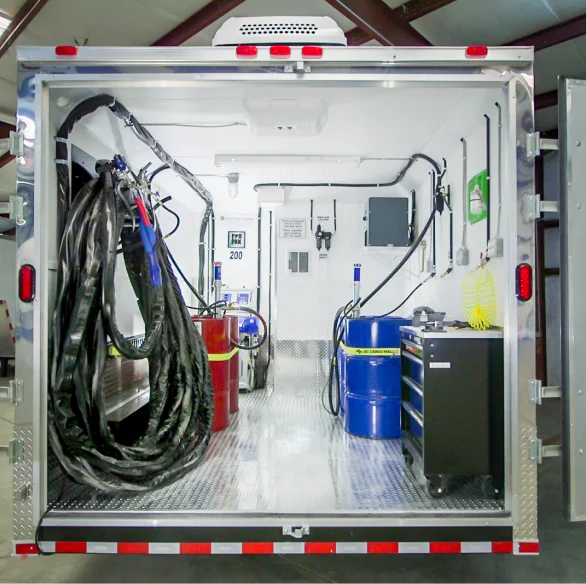
Setting up a spray foam insulation rig requires careful planning so contractors can work efficiently, maintain consistent foam quality, and reduce downtime. A well-built layout supports safer workflow, smoother equipment operation, and dependable power management. The right combination of proportioner, air system, generator, and storage placement creates a rig that performs reliably from one job to the next.
Core Equipment Every Rig Should Include
A spray foam insulation rig performs at its best when its major components work together without interruption. Most professional rigs start with a proportioner sized for the material output needed each day. Many contractors choose advanced proportioners because they maintain heat, stabilize pressure, and improve long-term consistency. Heated hoses should match the planned hose length so temperature stays steady through the entire spray path. High-quality transfer pumps and a durable spray gun round out the foundation of the setup and help teams complete more work with fewer delays.
Building an Efficient Interior Layout
A clean and organized interior layout helps crews move confidently inside the spray foam insulation rig. Many builders position the proportioner on the front wall for easy access during maintenance and daily inspection. This placement also frees up sidewall space for storage racks, tool mounts, and drum-handling accessories. Hose exits along the rear or side help reduce clutter, while mounted shelves keep PPE, gun parts, and solvents reachable without slowing production. When everything has a dedicated place, jobs move faster and require less setup time.
Power Options That Support Reliable Jobsite Performance
Power management is a major part of designing a spray foam insulation rig. Diesel or gas generators must supply enough wattage to maintain hose heat, proportioner operation, ventilation, and air power at the same time. Undersized generators often cause heat loss, pressure drops, or equipment shutdowns. Larger jobs sometimes require higher-output generators, while small residential work can run efficiently on mid-range options. Choosing a generator that matches everyday workload helps the entire rig function consistently.
How Air Systems Affect Productivity
An air compressor and air dryer are essential for smooth production in a spray foam insulation rig. The compressor must deliver steady airflow to the transfer pumps and, in some cases, the spray gun. A clean air supply prevents moisture contamination that could affect chemical balance. Contractors often include a 5 HP compressor paired with an air dryer to protect the system, extend equipment life, and maintain a predictable spray pattern throughout the job.
Storage and Workflow Planning
Efficient storage planning reduces wasted motion and keeps the crew working without interruption. Rigs often include tie-downs for chemical drums, dedicated shelves for parts, and compartments for safety gear. A well-planned workflow allows technicians to load materials, check equipment, and begin spraying with minimal steps. These improvements help maintain smooth production inside any spray foam insulation rig, especially during long spray days.
Customizing the Rig for Workload and Crew Size
Different contractors require different rig designs based on the demands of each job. Some teams rely on compact setups for quick residential projects, while larger crews need extended hose lengths, higher material output, and spacious interiors. Customizing the spray foam insulation rig to match real-world job conditions ensures that performance remains stable and predictable. A balanced setup prevents bottlenecks and supports the crew’s preferred working style.
Contact Spray Foam Systems for guidance on choosing the right spray foam insulation rig setup.
FAQs
How large should the generator be for a spray foam insulation rig?
Most contractors select generators that supply enough wattage to run the proportioner, heated hose, compressor, and ventilation system at the same time. Choosing the correct size prevents power drops and equipment shutdowns.
What interior layout works best for new spray foam contractors?
Many contractors start with a simple front-wall proportioner setup, side storage racks, and a rear hose exit. This layout keeps traffic clear and makes daily maintenance easier.
Do all rigs require an air dryer?
An air dryer is strongly recommended because it helps protect pumps and spray guns from moisture. Clean, dry air supports more reliable foam quality on every job.
About Spray Foam Systems
Spray Foam Systems is the #1 spray foam rig builder and spray foam equipment supplier in the United States. Family-owned and proudly serving the industry since 2007, we operate from a 7-acre campus with over 80,000 square feet of dedicated working space in Greensboro, GA. With over 10,000 customers served over the last 18 years, we specialize in delivering high-quality turnkey spray foam systems, distributing top-tier equipment and supplies, and providing nationwide service and training to help contractors grow and succeed in the spray foam insulation and roofing markets.