


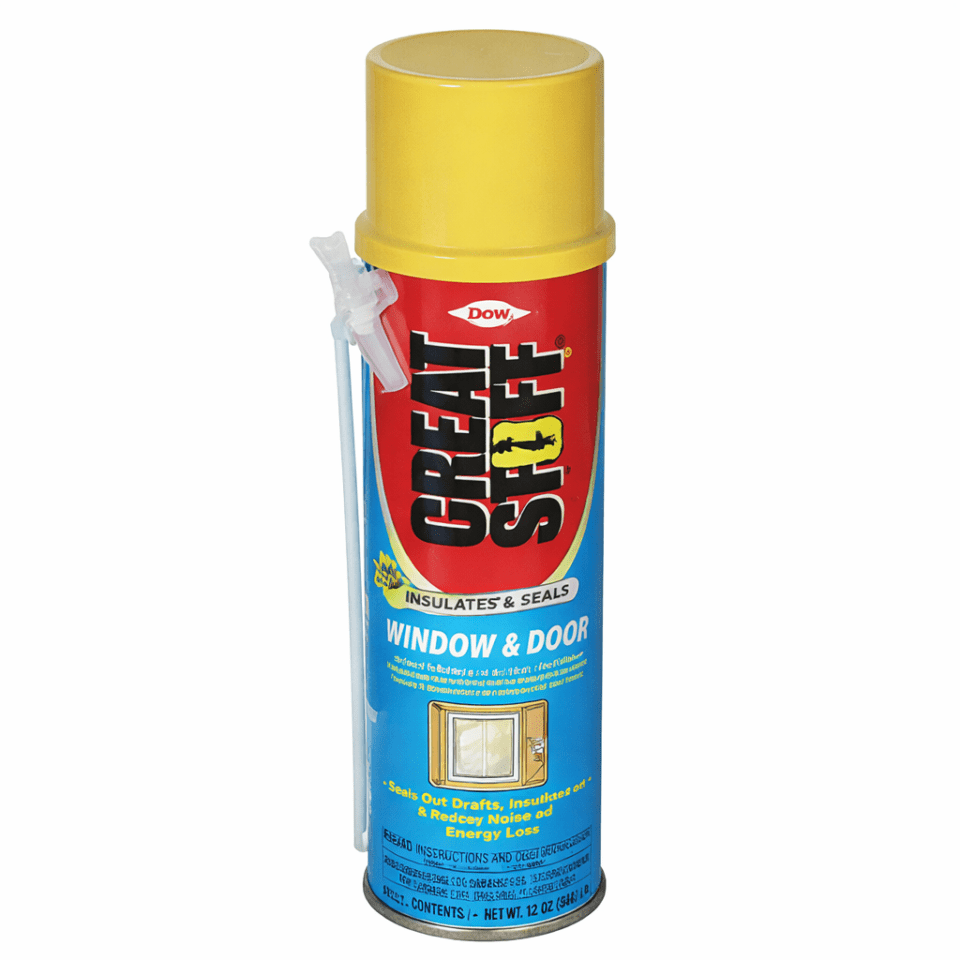
Sealing gaps around windows and doors is essential for maintaining comfort, reducing energy loss, and protecting interior spaces from moisture and drafts. Choosing the correct foam product ensures frames stay aligned while gaps are fully sealed. Using the right window and door foam insulation helps improve efficiency and long-term performance in both residential and commercial buildings.
Why Window and Door Foam Insulation Is Important
Windows and doors are common sources of air leakage. Even small openings can allow conditioned air to escape and outside air to enter. Window and door foam insulation fills these gaps, creating an airtight seal that supports consistent indoor temperatures and lower energy costs.
In addition, window and door foam insulation helps block noise and limits moisture intrusion, which protects surrounding materials over time.
Low-Expansion Window and Door Foam
Low-expansion foam is designed specifically for use around windows and doors. It expands gently during curing, which helps prevent frame distortion or bowing.
This type of window and door foam insulation is ideal for:
- Tight gaps around window and door frames
- Vinyl, aluminum, and wood frames
- Interior and exterior sealing applications
Low-expansion foam cures into a durable, long-lasting seal without putting pressure on the frame.
Minimal-Expansion Can Foam
Minimal-expansion can foam offers controlled growth and strong adhesion. It is commonly used during installation and retrofit projects where precision is critical.
Key benefits include:
- Reduced risk of overfilling
- Reliable air-sealing performance
- Easy application in narrow or irregular gaps
This option provides dependable window and door foam insulation while maintaining clean, professional results.
Backer Rod Combined With Foam
For larger or uneven gaps, pairing a backer rod with window and door foam insulation improves control and efficiency. The backer rod fills most of the space, allowing the foam to complete the seal without excessive expansion.
This method helps:
- Improve consistency
- Reduce foam usage
- Maintain proper seal depth
It is especially useful in older buildings with irregular window and door openings.
Closed-Cell Foam Near Window and Door Openings
Closed-cell foam is often applied near window and door openings rather than directly inside the frame cavity. Its dense structure resists moisture and air movement while adding durability to surrounding areas.
When used alongside proper window and door foam insulation, closed-cell foam helps strengthen the overall building envelope.
Application Tips for Best Results
Before applying foam, remove old insulation, dust, and debris. Apply window and door foam insulation in thin passes and allow it to fully cure before trimming. Always follow product temperature guidelines and safety instructions to ensure optimal performance.
Correct application protects frames and ensures long-lasting sealing results.
Safety and PPE Considerations
Using window and door foam insulation requires proper safety precautions to protect installers and occupants. While these products are designed for controlled expansion, they still contain chemicals that require careful handling.
Personal protective equipment should always be worn during application. This includes gloves to protect skin from uncured foam, safety glasses to prevent eye contact, and long sleeves to reduce exposure. In enclosed areas, adequate ventilation is important to limit inhalation of fumes during application and curing.
Always review the product label and safety data before use. Avoid contact with skin and eyes, and keep window and door foam insulation away from open flames or heat sources during application. Once cured, the foam becomes inert and safe for long-term use.
Following proper safety and PPE guidelines ensures window and door foam insulation can be applied efficiently, safely, and with professional results.
FAQs
What makes window and door foam insulation different from regular spray foam?
Window and door foam insulation expands at a controlled rate to avoid warping frames, unlike general-purpose spray foam that expands aggressively.
Can window and door foam insulation be used on exterior gaps?
Yes. Many products are designed for exterior use when properly protected from direct UV exposure.
How long does window and door foam insulation last?
When installed correctly, window and door foam insulation can last for decades while maintaining effective air and moisture sealing.
About Spray Foam Systems
Spray Foam Systems is the #1 spray foam rig builder and spray foam equipment supplier in the United States. Family-owned and proudly serving the industry since 2007, we operate from a 7-acre campus with over 80,000 square feet of dedicated working space in Greensboro, GA. With over 10,000 customers served over the last 18 years, we specialize in delivering high-quality turnkey spray foam systems, distributing top-tier equipment and supplies, and providing nationwide service and training to help contractors grow and succeed in the spray foam insulation and roofing markets.