


When it comes to improving your home’s energy efficiency and comfort, insulation plays a critical role. Among the most debated options are spray foam insulation and blown-in insulation, two widely used methods that offer distinct advantages. Choosing between the two can feel overwhelming for homeowners looking to optimize their energy savings. This guide aims to highlight the key benefits of spray foam insulation versus blown-in insulation for residential projects.
Key Features Defining Spray Foam Insulation
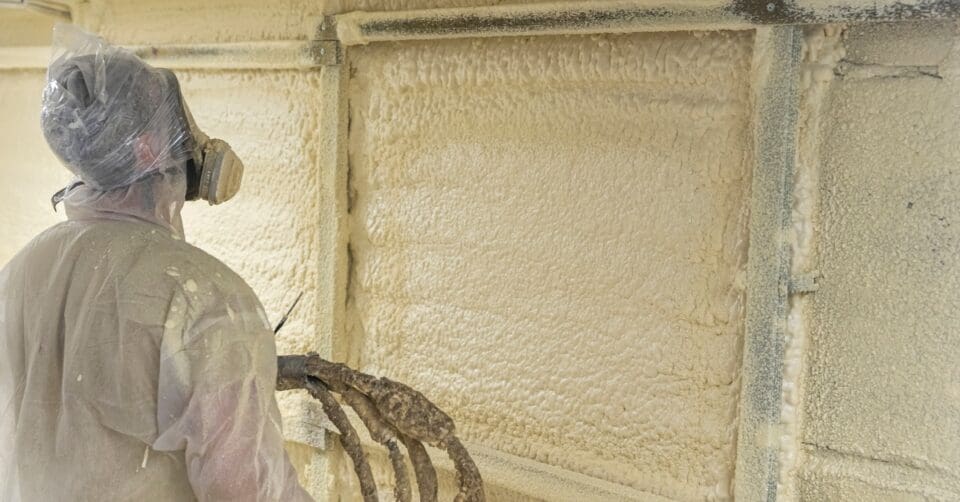
Spray foam insulation has gained significant popularity due to its innovative composition and application method. It is a type of polyurethane foam sprayed as a liquid, which then expands to fill gaps and cracks. This mixture then expands into a dense, solid layer, effectively sealing even the smallest voids in your walls, floors, or ceilings.
Unlike other types of insulation, spray foam provides both thermal insulation and an air-sealing barrier, significantly reducing energy loss compared to traditional methods. It prevents drafts, insulates hard-to-reach spaces, and ensures your home maintains a constant temperature year-round.
Are you a contractor seeking high-quality, reliable spray foam tools to complete the job efficiently? At Spray Foam Systems, we offer a premium collection of tools and equipment designed to meet your professional needs. Whether you’re tackling small projects or large-scale installations, our products are built for durability, efficiency, and top-tier performance.
How Blown-In Insulation Stacks Up
Blown-in insulation, by contrast, involves the use of loose materials such as fiberglass or cellulose. These materials are blown into cavities using specialized machinery, effectively filling spaces between studs and joists.
Blown-in insulation performs admirably in terms of thermal resistance and soundproofing. However, it does face challenges with maintaining effectiveness over time. Settling and compression can reduce its insulating properties, leaving gaps that air can pass through. While it is an effective short-term solution for improving energy efficiency, its long-term performance often falls short compared to spray foam insulation.
Longevity and Energy Savings
Durability is one of the primary concerns for any homeowner choosing insulation. Spray foam insulation offers a distinct advantage over blown-in insulation in this regard. Once applied and cured, spray foam resists degradation, maintaining its structural integrity and insulating capabilities for decades. Blown-in insulation, while better than no insulation, lacks this dual functionality. Air movement through gaps and cracks can still hinder its overall efficiency, requiring more frequent replacements.
Choosing the Right Option for Your Home
Ultimately, selecting the right insulation depends on your client’s specific needs, budget, and long-term goals. Understanding the benefits of spray foam insulation versus blown-in insulation helps you choose the system that works best for each unique property. However, the advanced sealing capabilities and superior thermal performance of spray foam insulation is a forward-thinking solution for modern homeowners who value quality and sustainability.