


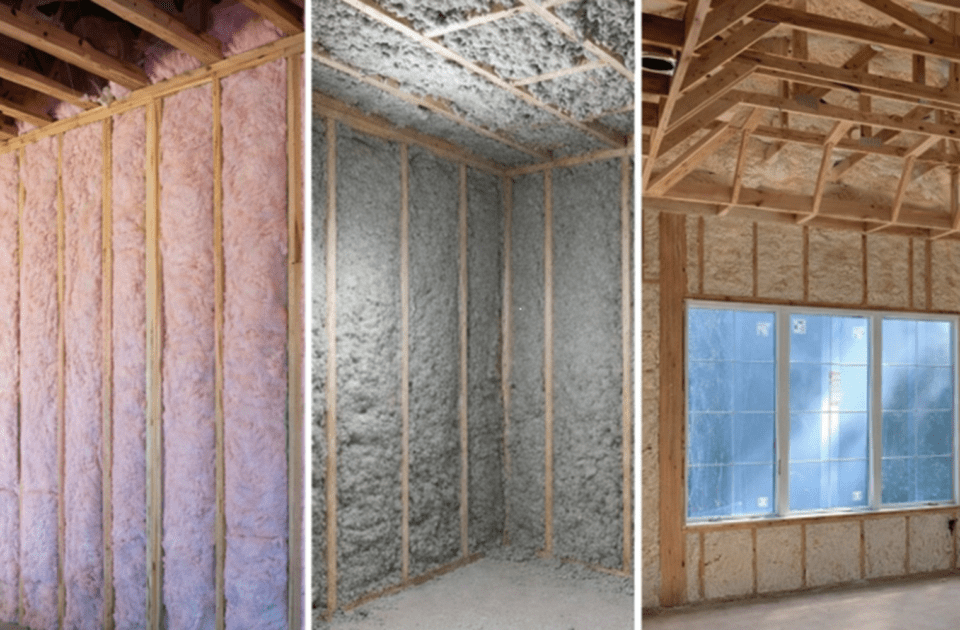
Attic and wall insulation plays a major role in energy efficiency, indoor comfort, and building durability. Contractors must understand material differences, equipment requirements, and safety standards before starting a project. The right approach to installation for walls and attics ensures consistent results and long-term performance.
This guide explains insulation materials, installation methods, equipment options, and safety practices to help contractors choose the right solution.
Understanding the Difference Between Attic and Wall Insulation
Attics and walls perform different roles in a building envelope. Because heat rises, attic insulation often requires greater depth to reach target R-values. However, installation for walls requires controlled placement inside enclosed cavities.
Wall cavities limit access. Therefore, installers must ensure proper density and complete fill. In contrast, attic spaces allow easier distribution of loose-fill materials. Careful planning improves both performance and efficiency during installation for walls.
Fiberglass Insulation: A Common and Cost-Effective Option
Fiberglass insulation remains widely used in residential and light commercial projects. It comes in batt and loose-fill forms.
Contractors commonly use batts for installation for walls in new construction. Proper cutting and fitting prevent gaps and compression. If batts compress, R-value decreases.
Loose-fill fiberglass works well in attics. Installers use blowing machines to distribute material evenly.
Fiberglass projects typically require:
- Basic hand tools
- Protective gloves and eyewear
- Blowing machine for loose-fill applications
Although fiberglass offers affordability, it does not provide air sealing during installation for walls.
Cellulose Insulation: Dense and Effective Coverage
Cellulose insulation offers improved cavity fill compared to fiberglass. Because it is blown in, it conforms to irregular spaces and reduces air movement.
For installation for walls, contractors use dense-pack techniques. This method fills cavities under pressure, which minimizes settling over time.
Cellulose equipment includes:
- Insulation blowing machine
- Hoses and dense-pack wall attachments
- Airlock system
When performing installation for walls with cellulose, installers must monitor material density carefully. Proper fill ensures consistent performance and reduces future callbacks.
Cellulose also performs well in attics, where thick coverage improves overall thermal performance.
Comparing Fiberglass, Cellulose, and Spray Foam
Each material serves different project needs.
Fiberglass
- Lower upfront cost
- Easy to install
- No built-in air seal
Cellulose
- Better cavity fill
- Improved air control
- Requires blowing equipment
Spray Foam
- High R-value per inch
- Full air sealing
- Requires professional spray equipment
Many contractors combine systems. For example, they may use cellulose in attics and spray foam for installation for walls to maximize performance.
Choosing the Right Equipment for Insulation Projects
Equipment selection affects production speed, consistency, and safety. Contractors entering the insulation market should evaluate job size, power availability, and long-term growth plans.
Blowing machines support fiberglass and cellulose projects. However, installation for walls using spray foam requires dedicated proportioning systems.
Spray Foam Systems offers equipment solutions for insulation contractors, including:
- Graco Reactor proportioners
- Nitrosys spray systems
- Heated hose assemblies
- Transfer pumps and spray guns
Open-cell foam works well for interior installation for walls where sound control and flexibility are important. Closed-cell foam provides higher R-value per inch and added moisture resistance.
Because spray foam combines insulation and air sealing, many contractors use it for high-performance projects.
Personal Protective Equipment (PPE) for Insulation Projects
Safety remains critical on every jobsite. Because insulation materials vary, PPE requirements differ depending on the product used during installation for walls and attic applications.
PPE for Fiberglass Installation
Fiberglass can irritate skin, eyes, and lungs. Installers should wear:
- Long sleeves and gloves
- Safety glasses or goggles
- N95 or higher-rated dust mask
- Protective coveralls when necessary
Even during basic installation for walls, fiberglass particles can become airborne when cutting batts.
PPE for Cellulose Installation
Cellulose blowing creates airborne dust. Therefore, installers should use:
- Respirator rated for fine particulates
- Safety goggles
- Gloves
- Full-body protective clothing in enclosed spaces
During dense-pack installation for walls, proper respiratory protection is especially important due to pressurized airflow.
PPE for Spray Foam Installation
Spray foam requires advanced protective measures. Because chemical components mix at the spray gun, installers must follow strict safety standards during installation for walls and attic spraying.
Recommended PPE includes:
- Supplied-air respirator or approved full-face respirator
- Chemical-resistant gloves
- Full spray suit with hood
- Protective eyewear
- Proper ventilation equipment
Additionally, contractors must ensure building occupants leave the area during spraying and curing.
Using proper PPE protects workers, improves professionalism, and supports regulatory compliance.
Best Practices for Attic Installation
Successful attic insulation begins with air sealing. Contractors should seal penetrations before adding material. Next, they must confirm proper ventilation pathways.
Loose-fill materials often provide the most uniform attic coverage. Alternatively, spray foam applied along the roof deck can create a conditioned attic space.
Best Practices for Installation for Walls
Installation for walls demands careful execution. Contractors must verify cavity depth and check for plumbing or wiring obstructions before filling.
Installers should:
- Maintain consistent material density
- Avoid overfilling cavities
- Inspect coverage before closing walls
- Follow manufacturer specifications
Because wall cavities become inaccessible after drywall installation, quality control during installation for walls ensures lasting performance.
Expanding Insulation Services with the Right Equipment
Many contractors begin with fiberglass or cellulose. Over time, they expand into spray foam to increase service offerings and profitability.
By understanding materials, equipment, safety practices, and proper installation for walls, contractors can confidently grow their insulation business and deliver reliable results.
FAQs
What is the best material for installation for walls?
Spray foam offers superior air sealing and higher R-values per inch. However, cellulose provides strong cavity fill at a lower cost, while fiberglass remains a budget-friendly option.
Does installation for walls require special equipment?
Yes. Fiberglass batts require minimal tools. Cellulose requires a blowing machine. Spray foam requires a proportioner, heated hose, and spray gun system.
Can contractors insulate both attics and walls with the same equipment?
Blowing machines can handle attic and wall cellulose projects. However, spray foam applications require dedicated spray equipment for safe and effective installation for walls.
About Spray Foam Systems
Spray Foam Systems is the #1 spray foam rig builder and spray foam equipment supplier in the United States. Family-owned and proudly serving the industry since 2007, we operate from a 7-acre campus with over 80,000 square feet of dedicated working space in Greensboro, GA. With over 10,000 customers served over the last 18 years, we specialize in delivering high-quality turnkey spray foam systems, distributing top-tier equipment and supplies, and providing nationwide service and training to help contractors grow and succeed in the spray foam insulation and roofing markets.