


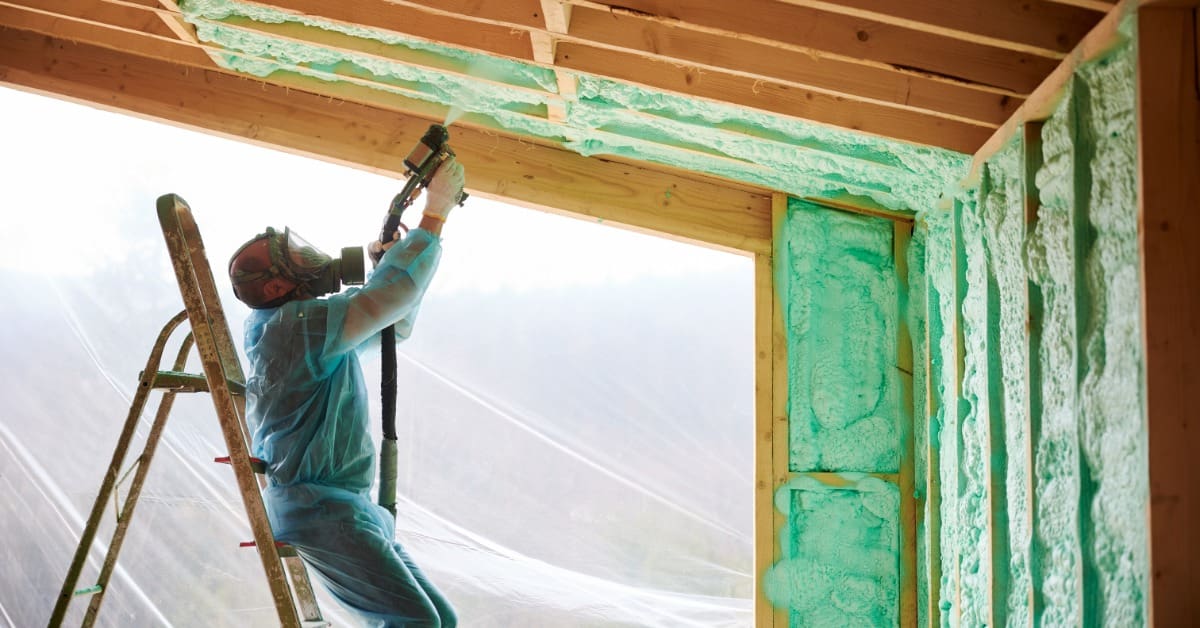
Contractors often examine how humidity affects polyurethane foam insulation before a spraying project because moisture in the air and on building surfaces can quietly shift how foam expands and cures. These changes do not always show up right away, making them easy to miss during a busy install. Paying attention to environmental conditions early helps crews reduce callbacks and support more stable performance across seasons and jobsite types.
Why Humidity Matters During Application
Humidity can influence spray foam work before the materials mix. Warm, moist air may settle onto cooler substrates and form condensation when temperatures drop near the dew point. That thin moisture layer can weaken adhesion on wood, metal, masonry, or sheathing. Installers improve consistency by relying on instruments to read conditions instead of visual cues, especially when temperatures fluctuate between indoor and outdoor spaces during the day.
How Dew Point Affects the Substrate
A closer look at how humidity affects foam insulation starts at the surface being sprayed. Manufacturers typically require substrates to remain dry and stay above the dew point by a safe margin before application. That buffer helps prevent hidden moisture from becoming trapped under the foam layer. Because each product behaves differently, installers need to follow the technical data sheet rather than assume one moisture threshold applies to all systems.
Signs That Moisture May Be Affecting Foam
Moisture can disrupt the chemical reaction that forms spray foam, and the effects often appear in subtle ways. Adhesion may weaken, and the cell structure can lose uniformity. Surface texture may also appear inconsistent even when equipment settings seem correct. These issues can be mistaken for temperature or ratio problems, making careful inspection important. Crews stay ahead of these challenges by reassessing surface conditions before each pass, especially as airflow shifts during installation.
Maintaining Consistent Jobsite Conditions
Consistent results depend on monitoring conditions throughout the application, not just at the start. Crews often track humidity and surface temperature with dedicated tools to respond when conditions drift outside acceptable ranges. Climate control equipment can help stabilize the workspace, though it does not replace manufacturer requirements for the foam system. This ongoing monitoring helps maintain conditions needed for reliable application.
Understanding Environmental Control
When contractors take a closer look at how humidity affects polyurethane foam insulation, they gain a clearer understanding of how environmental control shapes performance. Moisture management directly influences adhesion and curing behavior in ways that are not always immediately visible. Installers who monitor conditions closely and follow product guidance achieve more dependable results. That attention to detail helps insulation systems perform consistently even as seasonal humidity levels change.
Changing humidity and shifting substrate temperatures can make consistent spray foam application more difficult. Spray Foam Systems equips contractors with a polyurethane spray rig built to support dependable material delivery and steadier performance across demanding jobsite conditions. Choose equipment designed to help your crew maintain greater control from setup through application, even when the working environment changes throughout the day.