


Buying or upgrading a spray foam rig can feel straightforward until you compare spec sheets side by side. One builder highlights horsepower, another talks about heat output, and a third makes pressure sound like the only number that matters.
In reality, your rig works like a system, and every spec affects performance, consistency, and uptime. In this guide, we’ll explain eight spray foam rig specifications in plain language, so you can connect each number to what actually happens on the job.
Proportioner Specifications: The Core of the System
Your proportioner drives the whole process. It pumps A and B material, holds ratio, and supports the pressures and temperatures you need at the gun. A proportioner with strong specs can still underperform if the generator, compressor, or hose package cannot support it. That’s why you should evaluate proportioner specs as the center of a balanced package, not as a standalone purchase decision.
Output Capacity
Output capacity is often expressed in pounds per minute and directly affects how quickly you can apply foam to larger surfaces. Higher output helps when you spray big attics, commercial rooflines, or high-volume projects that reward speed.
At the same time, output only helps if your crew can control it and your system can sustain it. If you run mostly residential jobs with detail work, steady and manageable output often matters more than peak production.
Pressure Ratings
Pressure supports proper mixing and atomization at the gun, especially with longer hose lengths. A higher maximum pressure rating can be useful, but it does not guarantee better foam.
If pressure fluctuates during a pass, the spray pattern can change, and the foam texture can drift across the surface. Stable pressure helps you maintain even passes, predictable yield, and fewer touch-ups. When you compare rigs, consider the pressures you actually run daily and whether the proportioner maintains that range smoothly, without hunting or surging.
Heating Performance
Heat output and temperature control matter because material viscosity changes with temperature. Temperature specs often include primary heater capacity and heated hose capability. Those numbers matter most when you work in cold seasons, spray in unconditioned spaces, or run hose lengths that lose heat across distance.
A rig that maintains consistent temperature helps you keep lift quality uniform, reduce off-ratio risk, and stay confident that the foam will react the way you expect.
Generator Specifications
Your generator does more than “turn on the rig.” It supports proportioner demand, hose heat, compressor load, and whatever accessories your crew uses during setup and teardown. If the generator runs at the edge of its capacity, you may see slow warm-ups, unstable heat, tripped breakers, and frustrating downtime.
Voltage Compatibility and Fuel Capacity
Voltage and configuration must match your equipment requirements. When the generator aligns with the proportioner and heat system, you reduce electrical stress and avoid troubleshooting that eats into the day.
Fuel capacity also matters because it affects how long you can run without interruptions. A generator setup that supports the full workday helps your crew stay focused on spraying instead of watching gauges and planning work around fuel stops.
Air Compressor Specifications
Your compressor affects how the gun performs and how efficiently your crew handles prep and cleanup. Air volume helps support a consistent spray pattern and keeps tools running without lag. If the compressor cannot keep up, you may feel it as uneven spray response, slow tool performance, or extra pauses while the system recovers.
CFM, PSI, and Sustained Airflow
CFM measures airflow volume, and airflow often matters more than maximum PSI. Your gun needs steady air support during spray cycles, and your crew may also rely on air tools for jobsite tasks.
A compressor can reach the required PSI but still struggle if it cannot maintain airflow under continuous demand. Strong, sustained airflow helps the gun behave predictably, supports consistent technique, and keeps the crew moving without waiting on equipment.
Hose Package Specifications
Hoses connect your trailer to the work area, and they influence pressure stability, heat retention, and day-to-day efficiency. Many contractors focus on hose length first because longer runs reduce repositioning. Length matters, but the right hose package also supports stable temperatures and reliable spraying in the spaces you actually work.
Hose length
A longer hose runs help you reach attics, crawlspaces, and deep interior areas without moving the trailer. However, a longer distance increases pressure drop and heat loss, which can affect how the material behaves at the gun. That means your proportioner and heat system need enough capacity to support the hose length you plan to use most often.
If you frequently run long pulls, you benefit from specs that prioritize temperature stability and pressure consistency over short-run performance. When the hose package matches your typical jobsite layouts, you spend less time compensating and more time spraying smoothly.
Spray Gun Specifications
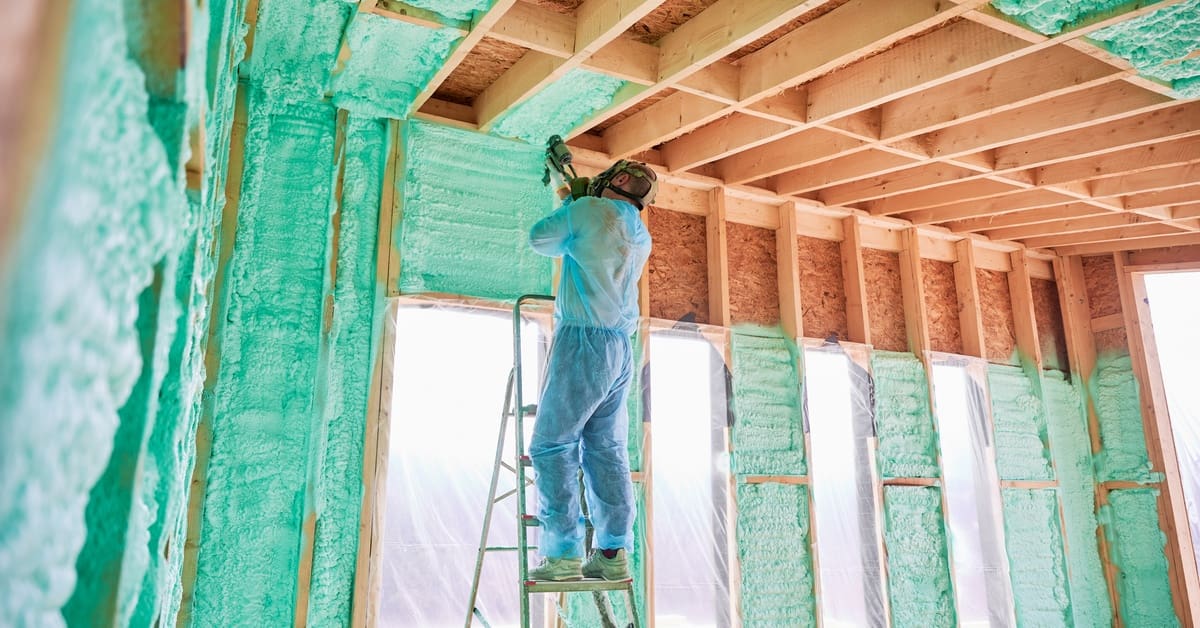
The spray gun is the point where pressure, heat, air, and ratio become visible in the foam. Even with a strong rig, the wrong gun setup can make control feel difficult. You should evaluate gun specifications with the same practical mindset as the rest of the rig. The goal is consistent mixing, predictable output, and easy maintenance that keeps you spraying instead of rebuilding.
Mix Chamber Choices, Maintenance, and Ergonomics
Mix chambers affect the output range and spray characteristics. A chamber that fits your typical work helps you maintain control in detail areas while still moving efficiently on open runs.
Ergonomics also matters because fatigue can affect your crew’s output. A gun that feels balanced and triggers smoothly helps your crew maintain consistent passes all day. Maintenance requirements should also factor into your decision. When the gun cleans easily, and parts access stays straightforward, you reduce downtime and avoid rushed cleanup that can create preventable issues later in the week.
Compare Specs Like a System
When you understand what specs actually do, you stop chasing impressive numbers and start buying dependable performance. You connect output to production, heat to consistency, power to uptime, and layout to daily efficiency.
That approach helps you compare rigs clearly and avoid surprises after purchase. If you take one idea from these eight spray foam rig specifications, let it be this: the best rig is the one that stays stable in your real conditions, supports your workflow, and keeps your crew spraying smoothly from the first pass to the final cleanup.
Spray Foam Systems offers reliable and customizable spray insulation equipment built around the specifications that matter on real jobs. Get a rig designed to deliver steady heat, stable pressure, and dependable power, with a layout that keeps maintenance simple and your crew moving. Whether you need control for residential work or capacity for higher-volume projects, our team can help you find exactly what you need.