


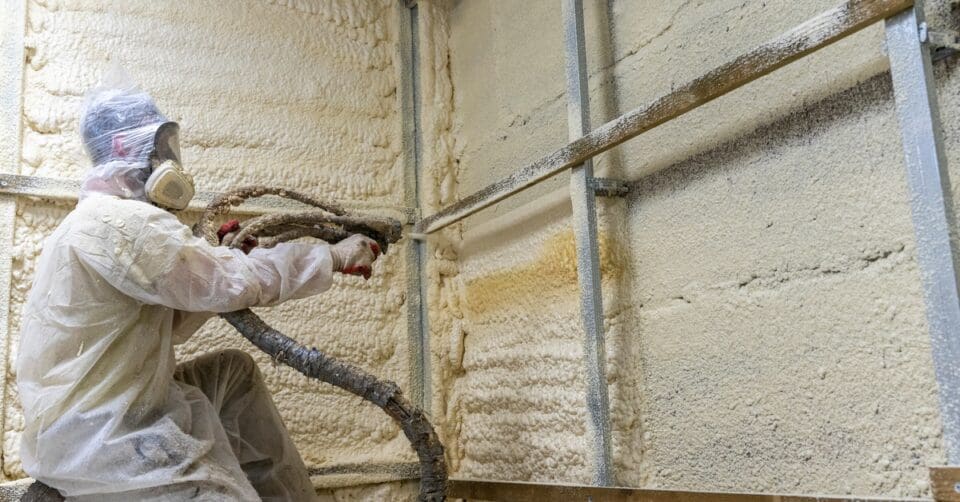
Installing spray foam insulation in existing walls can be a game-changer for improving energy efficiency and ensuring a comfortable indoor environment. However, retrofitting presents unique challenges compared to new construction projects.
Contractors must carefully assess the structure of the building, the condition of the walls, and the accessibility of the cavities. Read on to learn three tips for installing spray foam in existing walls to save time and effort and ensure a successful outcome.
1. Prepare the Walls for Spray Foam Application
Preparation is key when dealing with existing walls, and contractors should focus on creating the right conditions for the spray foam. This often means identifying potential barriers such as moisture, debris, or poor airflow within wall cavities.
Test for any moisture first to prevent damage to the insulation and building structure. Then, remove any debris or obstructions within the cavities so the foam can expand evenly and improve the insulation’s overall effectiveness.
2. Use Adaptive Techniques for Limited Access
One of the main challenges in retrofitting insulation is limited access to existing walls. Unlike open walls in new construction, contractors will need to rely on a combination of skill, tools, and creativity to install the spray foam without removing huge portions of the wall.
If possible, create small access points, and inject the foam to keep the structure intact. Another consideration is selecting the right type of spray foam. Closed-cell foam may be a better choice in certain situations due to its higher R-value and ability to fill small gaps effectively.
Spray Foam Systems provides an extensive selection of high-quality, durable spray foam equipment designed to tackle even the most demanding projects with ease. Our top-of-the-line equipment is built to deliver exceptional performance and reliability. Explore our collection today!
3. Ensure Consistency in Foam Application
Consistency is vital when applying spray foam to existing walls. Varying depths, uneven application, or incomplete coverage can undermine the insulation’s performance, leaving the building with energy inefficiencies. When retrofitting, contractors should prioritize thorough coverage across the entire cavity, ensuring the foam properly adheres to all surfaces.
Take your time to fill each section of the wall properly, and avoid missing spots or under filling areas. It’s also helpful to assess your progress during the installation to make sure the foam expands as intended to achieve the desired level of insulation.
Retrofitting With Confidence
Mastering the retrofitting of spray foam insulation requires a commitment to excellence and attention to detail. By using to these three tips to install spray foam in existing walls, contractors can ensure long-lasting results and foster strong professional relationships. With the right approach, spray foam insulation not only enhances energy efficiency but also stands as a testament to high-quality craftsmanship.