


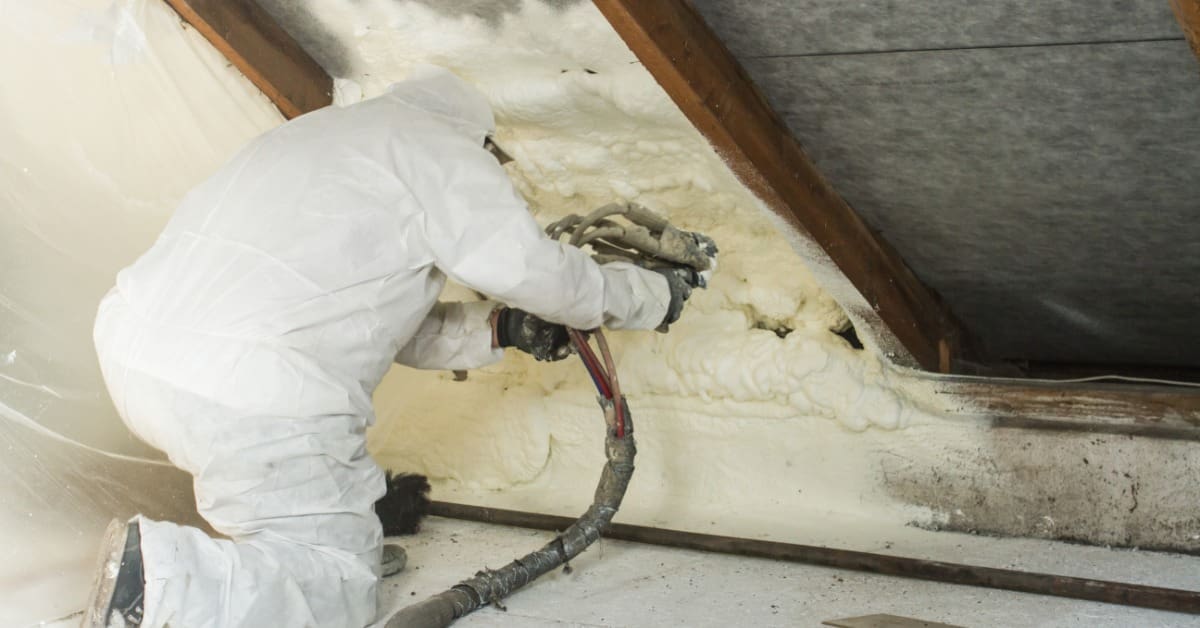
Hose management plays a bigger role in daily performance than many crews realize. If hoses drag, tangle, or wear down too quickly, the whole rig becomes harder to use. Poor handling can also slow setup, crowd the workspace, and create avoidable equipment issues. Contractors who follow the best practices in polyurethane rig hose management can keep the rig more organized and the crew more productive. To get started, let’s look at how rig layout affects hose management.
Build a Better Rig Layout
Good hose management starts inside the rig. Hoses need a clear path that doesn’t compete with tools, drums, cords, or other core equipment. When the layout feels crowded, crews fight to set up before work begins. A cleaner arrangement protects hoses and creates a more efficient workspace.
Storage affects daily handling. Shoving hoses into tight spaces or burying them under gear can cause kinks and premature wear. Each hose should have a defined spot for smooth deployment and return. With an optimal layout and storage, the next focus is on minimizing daily hose wear.
Reduce Daily Wear on the Hose
Hoses take a beating when crews pull them across rough surfaces, sharp edges, and trailer thresholds. Repeated friction in the same spots can wear down the outer covering and shorten hose life. Contractors should note where hoses rub often and correct trouble points early.
Crews should slow down during setup and cleanup. Rushed handling causes twists, snags, and strain. If hoses catch or drag at awkward angles, improve the routine. Once daily wear is managed, it’s essential to keep hose routing organized on the jobsite.
Keep Routing Clean on the Jobsite
Hose routing affects both workflow and safety. When hoses run through cluttered paths or high-traffic areas, they become harder to manage and easier to damage. Crews should plan the route before spraying for smoother movement. A clear path helps the applicator work comfortably and keeps the site easier to control.
What Crews Should Check Regularly
A few consistent habits can make hose management easier to control on every job:
- Check for wear where hoses rub against rig edges.
- Look for kinks or twisting after setup.
- Keep storage areas clear and organized.
- Review routing paths before spraying.
- Follow the same handling routine each day.
Support the Rig With Better Habits
Even a well-built polyurethane rig won’t perform well if the crew handles hoses carelessly. Contractors should regularly train team members in the best practices for polyurethane rig hose management. Better habits can protect equipment, improve workflow, and reduce avoidable frustration in the field.
Need to upgrade your polyurethane spray rig? Spray Foam Systems offers a wide range of rig options for contractors who want equipment that supports better organization, cleaner hose management, and a smoother day-to-day workflow. If you’re ready to improve how your setup performs in the field, Spray Foam Systems can help you choose a polyurethane spray rig built for your business.