



Pressure fluctuations can turn a routine spray foam installation into a frustrating job. You may notice the gauges drifting apart while spraying, even though the equipment performed normally during startup. Sometimes the spray pattern changes first, giving you an early indication that material delivery has become inconsistent. Whatever the first symptom, you need to identify where the problem starts before adjusting the system.
When diagnosing pressure fluctuations in spray foam equipment, start with what the proportioner tells you and work your way through the material delivery system. In many cases, the problem starts before the material reaches the proportioner or develops closer to the spray gun.
Start With What Your Pressure Gauges Reveal
Your proportioner’s pressure readings give you a useful starting point when something feels off during application. Rather than focusing on one gauge, pay attention to how the A-side and B-side pressures behave together.
Start by comparing the readings at rest, then observe how they respond during normal spraying. A machine that maintains pressure before you trigger the gun but loses balance during application often struggles to keep up with material demand.
Some systems use a pressure differential of approximately 200 psi as an operating reference, but you should always follow the limits in your equipment manual.
Know What Different Pressure Changes Indicate
The direction of the pressure change helps narrow your search. If the B-side pressure falls while spraying, investigate whether the resin supply can keep up with the proportioner. A higher reading tells a different story. When the B-side pressure climbs while material delivery weakens, a restriction downstream of the gauge deserves attention.
If both pressures drop under load, look for conditions affecting overall system performance. Understanding these differences keeps you from treating every pressure fluctuation as the same problem.
Follow the Material Supply Back to the Drums
Before opening the proportioner, check the material supply. A low drum can introduce air into the feed system, interrupting the steady flow that the proportioner needs during spraying.
Check the remaining material levels and watch how the transfer pumps operate. If a pump cycles irregularly, investigate its supply conditions before moving farther into the system. Drum venting also deserves attention. A blocked or malfunctioning vent can interfere with material transfer even when plenty of chemical remains in the container.
Don’t Overlook Air in the Feed Lines
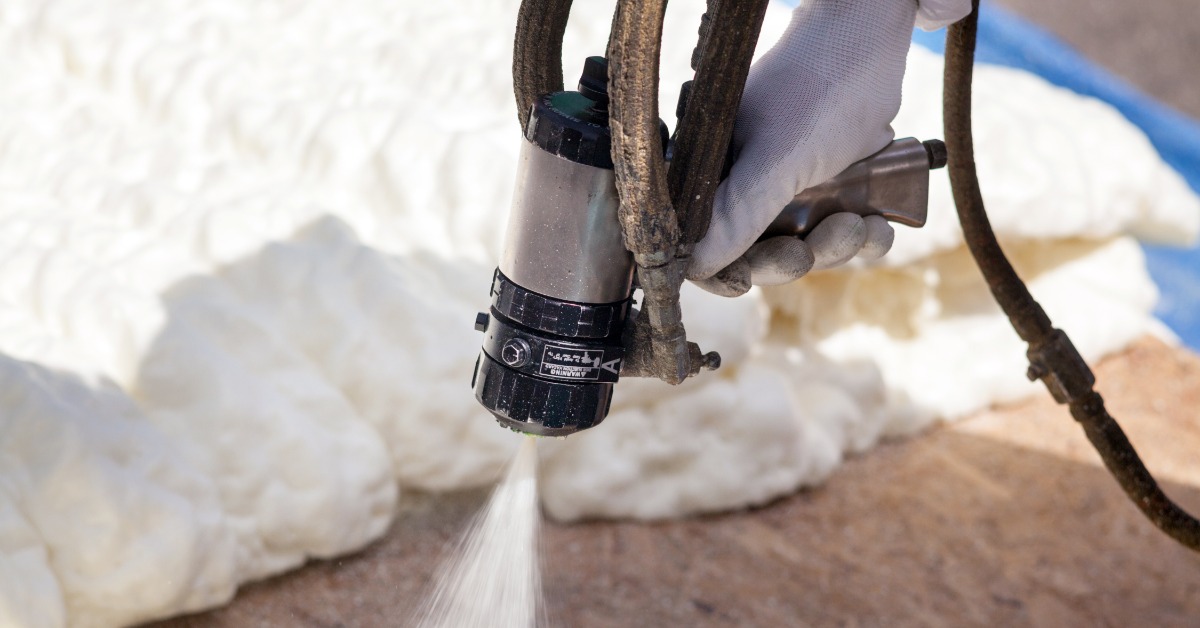
Air entering the material delivery system can cause unstable pressure during application. You may notice unusual pump behavior after changing drums, particularly when the crew hasn’t fully primed the system.
If you notice knocking during pump operation, it may indicate air entering the fluid system. Inspect the feed connections and confirm that the transfer pumps operate correctly, then follow the manufacturer’s priming procedure before returning to spraying.
Pay attention to what happens after you restore material flow. If the pressure settles back into its normal range, you’ve narrowed the problem to the supply side without unnecessarily adjusting the proportioner.
Check Inlet Strainers and Feed Hoses for Restrictions
Even when the transfer pumps work properly, material still needs a clear path into the proportioner. A partially clogged inlet strainer can restrict that flow, especially when your crew increases production. These restrictions can develop gradually. The equipment may perform normally during a short test spray before the problem becomes noticeable during continuous application.
Once you safely shut down the system and complete the manufacturer’s pressure-relief procedure, inspect the inlet strainers. Look for accumulated debris or material residue that limits the screen’s open area. While you’re checking the supply path, inspect the feed hoses for kinks or damage as well. A restricted hose can create the same material starvation symptoms as a clogged screen.
Let the Spray Pattern Guide Your Next Check
Your spray pattern often reveals a problem before the proportioner triggers an alarm. A sudden change in fan shape or a noticeable reduction in output tells you to stop and investigate.
However, don’t use the pattern as your only diagnostic clue. Compare it with the pressure readings to understand whether the problem points toward material supply or a downstream restriction. If you suspect an off-ratio condition, stop spraying until you identify and correct the cause.
Verify Material Temperatures Before Adjusting Pressure
Temperature changes how easily spray foam chemicals move through the equipment. When material becomes colder, its viscosity generally increases, creating more resistance as it travels through the system.
Before increasing pressure to compensate, confirm that the primary heaters reach the chemical manufacturer’s recommended processing temperatures. Next, check the heated hose readings. The hose needs to maintain appropriate material temperatures between the proportioner and spray gun.
Once you resolve the temperature issue, reevaluate the pressure relationship during a controlled test spray. You’ll get a clearer picture of whether another restriction remains.
Inspect the Proportioner After Ruling Out External Problems
If the material supply is steady and the gun remains clear, it’s time to look more closely at the proportioner. Internal wear can interfere with the pump’s ability to maintain consistent pressure during application.
Start with the machine’s service history. Previous pump repairs can help you identify components that deserve closer attention. Inspect the pump assemblies for visible leakage and other signs of wear. Damaged seals can affect pumping performance, while worn check valves can interfere with normal material movement.
These components operate under substantial pressure, so follow the service procedures for your specific model. Have a qualified technician handle internal repairs that require specialized tools or disassembly.
Use Error Codes To Narrow the Problem
If your proportioner includes electronic diagnostics, use the information it provides. Modern Reactor systems can report pressure imbalance conditions when the difference between the two material pressures exceeds the configured limit.
Write down the error code, then consult the manufacturer’s troubleshooting instructions to identify what the machine detected. Keep in mind that an electronic reading depends on the pressure sensor providing accurate information. If the display reports a pressure that doesn’t agree with the mechanical gauges, investigate the difference before assuming the pump has failed.
Avoid raising alarm thresholds just to keep the machine running. That approach can hide the symptom without addressing the condition that caused it.
Keep Pressure Problems From Disrupting Your Next Job
The more familiar you become with your spray foam equipment’s normal operating behavior, the easier it becomes to diagnose pressure fluctuations. With consistent maintenance and a methodical troubleshooting process, you can resolve pressure problems more efficiently and keep your spray foam applications on track.
Dealing with recurring pressure problems or equipment that can no longer keep up with your workload? When troubleshooting and repairs aren’t enough, upgrading your spray foam equipment can help your crew get back to consistent application. Spray Foam Systems offers professional equipment options to support the demands of your insulation projects. Contact our team to discuss your current setup and find a replacement today.