


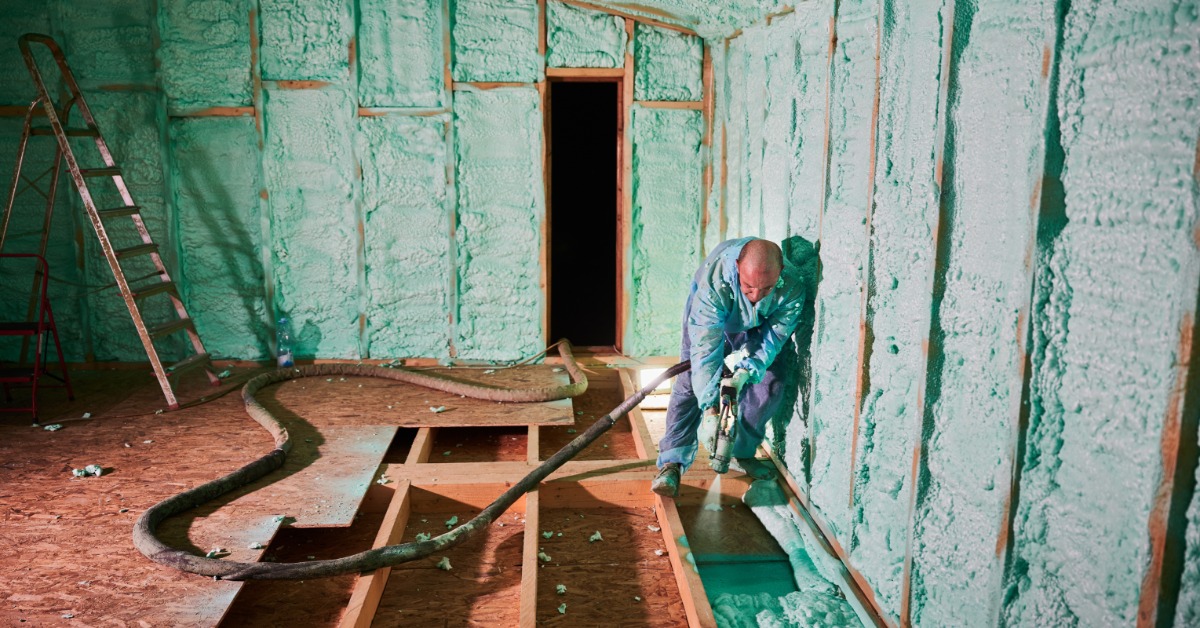
Spray foam contractors need more than equipment knowledge to do professional work. Crews need to understand material behavior, jobsite safety, equipment operation, and the application practices that affect finished performance. SPFA’s Professional Certification Program provides a structured way to evaluate those skills, while its company accreditation requirements encourage contractors to maintain formal training and safety practices across their businesses.
For contractors looking to strengthen their teams, understanding SPFA accreditation’s role in spray foam training provides a useful framework for deciding what employees need to learn as they take on more responsibility.
SPFA Standards Give Training a Clearer Purpose
A new applicator can learn basic equipment operation relatively quickly, but professional development requires a broader foundation. SPFA’s PCP evaluates knowledge and practical ability based on the role an individual performs in a spray foam operation. The program includes progressive contractor certification levels that reflect increasing experience and responsibility.
That structure gives companies a clearer reason to invest in training beyond initial onboarding. An employee who begins by assisting experienced applicators can continue developing toward installer-level work and eventually take on more advanced responsibilities. Training becomes part of a longer career path rather than a short introduction to spraying.
Safety Training Becomes Part of Daily Operations
Spray polyurethane foam work requires crews to take jobsite safety seriously every day. SPFA requires written safety programs and ongoing training for accredited contractor companies. Its accreditation criteria also reference toolbox talks and annual training required under applicable OSHA standards.
A strong contractor training program should regularly reinforce topics such as:
- Chemical awareness and material handling
- Personal and jobsite safety practices
- Equipment startup and shutdown procedures
- Proper jobsite preparation
- Troubleshooting during application
- Maintenance practices that support reliable equipment
Hands-On Practice Builds Skills That Classroom Training Cannot
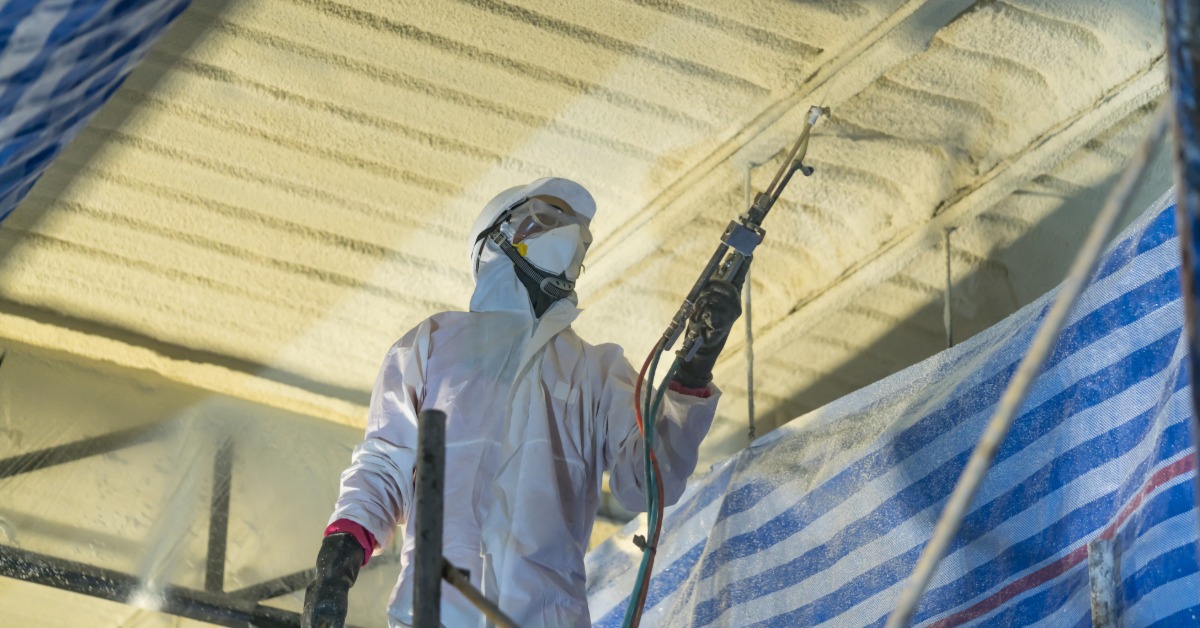
Reading technical material can explain how spray foam equipment works, but applicators still need time with actual equipment. SPFA highlights hands-on instruction as an effective way for contractors to apply technical knowledge to realistic situations and build workplace skills.
That experience becomes especially important when a trainee begins working with a proportioner and spray gun. Material response changes as the applicator adjusts technique, while equipment behavior gives immediate feedback during the job. Supervised practice gives workers room to understand those relationships before they face the same decisions on a customer’s project.
Equipment Training Supports Better Field Decisions
A spray foam machine performs best when the operator understands more than the front-panel controls. Crews need to start and shut down the system correctly, recognize abnormal operation, and respond when application conditions change. Equipment-specific instruction helps contractors build that working knowledge.
Experience Still Matters After Training
A training course gives contractors structured instruction, but field experience develops judgment. SPFA reflects that reality by requiring experience at higher PCP levels.
For insulation work, the Installer level requires 100,000 board feet of spraying experience. Master Installers need 500,000 board feet, while Project Managers must document management experience involving at least 500,000 board feet of spray foam projects.
Those thresholds reinforce an important point for employers. Training can prepare someone for greater responsibility, but professional growth continues as they apply that knowledge on real projects.
Training Can Improve Consistency Across a Crew
A contractor with several applicators needs more than one skilled employee. Customers expect the company to deliver consistent work regardless of which crew arrives at the project.
SPFA accreditation addresses this issue by requiring accredited contractor companies to employ PCP-certified field personnel. The number of certified employees required at certain responsibility levels increases as the company grows.
This structure encourages business owners to build knowledge across the workforce. When multiple employees understand the best application practices, safety expectations, and equipment procedures, the company relies less on one person to carry all of its technical experience.
Consistency also makes internal training easier. Experienced crew members can reinforce the same practices newer employees learn during formal instruction, helping keep day-to-day habits aligned with company standards.
Specialized Training Helps Contractors Expand Their Services
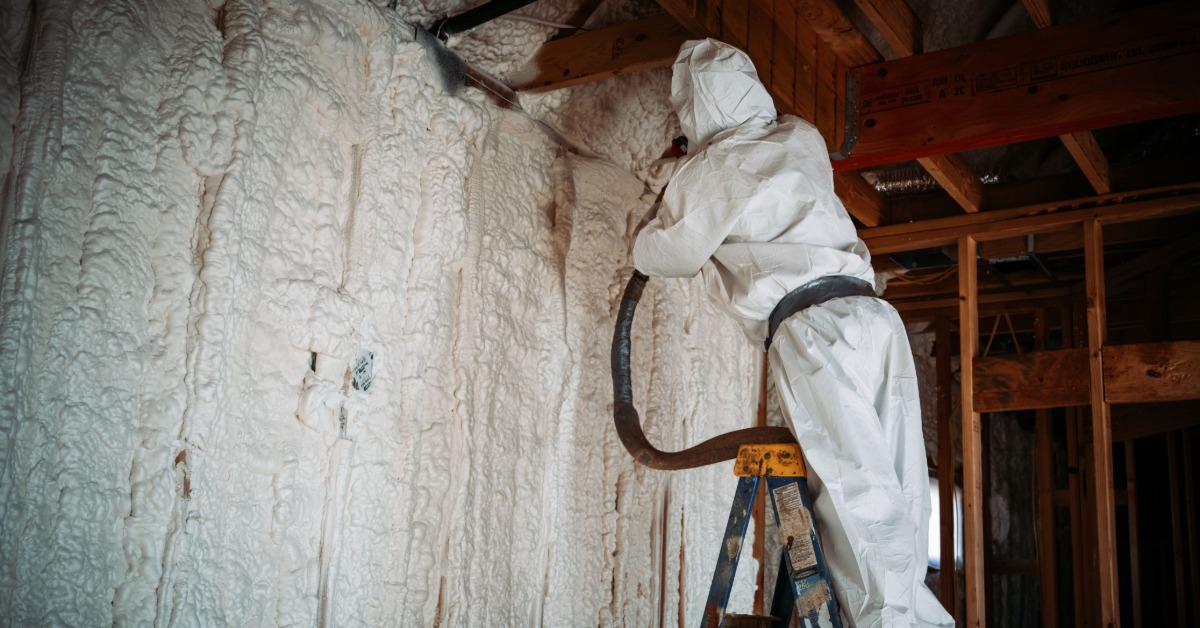
Not every spray foam contractor does the same work. Residential insulation places different demands on a crew than roofing or concrete lifting, so training should reflect the applications a company actually plans to offer.
That type of focused training becomes valuable when a contractor expands into unfamiliar work. A crew that already understands insulation equipment still needs application-specific knowledge before taking on a different service.
SPFA’s professional development framework also recognizes that spray foam work spans different categories and responsibilities. Its contractor certification program provides separate pathways for insulation and roofing professionals.
Business Training Supports the Technical Side of the Work
Running a spray foam company involves decisions that happen long before anyone pulls the trigger on a spray gun. Contractors need to prepare jobs correctly and understand what the project requires before the crew arrives.
Proper training should also include general business management guidance. That broader approach gives owners and employees context for how technical work connects with the rest of the operation.
SPFA’s accreditation model also looks beyond application technique. Contractor companies pursuing accreditation must submit business documentation and proof of insurance in addition to meeting personnel and safety requirements.
For growing companies, this reinforces the idea that professionalism reaches beyond the spray area. Strong technical skills work best when reliable processes support them.
Use Training To Build a Stronger Spray Foam Operation
SPFA accreditation gives spray foam companies a useful benchmark for building professional teams. Its requirements emphasize documented safety practices and qualified personnel, while the PCP gives individual workers clear levels of professional development.
Hands-on training supports that development by giving contractors time to work through the situations they face in the field. Equipment operation becomes easier to understand when trainees can practice the process instead of only reading about it.
For companies that want to strengthen their crews, SPFA accreditation becomes a valuable professional benchmark in spray foam training. It gives contractors a clearer picture of the knowledge and experience that support quality work, while structured training helps employees develop those skills throughout their careers.
Give your crew more than classroom instruction. Spray Foam Systems combines technical guidance with hands-on practice through its spray foam training programs, helping contractors build the skills they need to work with greater confidence in the field. Explore available training options and give your team a stronger foundation for professional spray foam work.